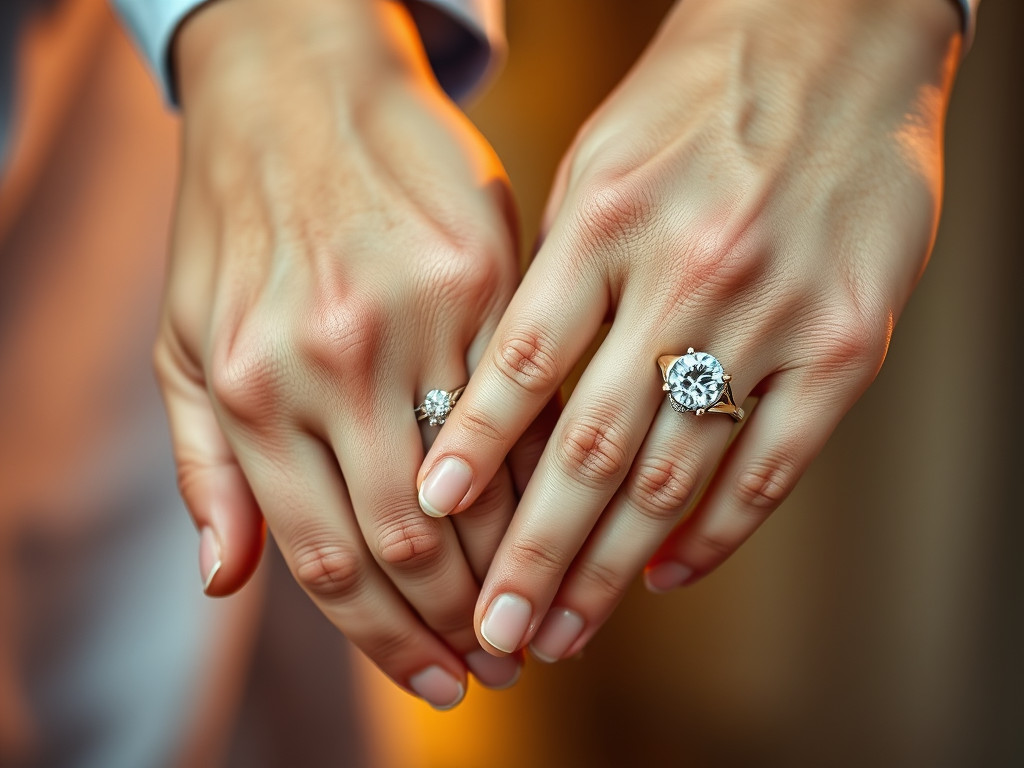
Love and arranged marriage are often presented as two opposing ideas, almost like rivals placed on the same stage and asked to compete. One is painted as bold, passionate and rebellious; the other as safe, traditional and predictable. But real life, as it always does, blurs these clean divisions. When we look closely, both paths carry their own beauty, struggles, expectations and silences.
Love marriage is usually associated with choice. Two people meet, connect, and decide to walk forward together. There is excitement in discovering each other, in choosing someone despite differences, and in believing that affection will be enough to sustain a shared life. For many, this choice feels empowering. It allows individuals to prioritise emotional compatibility, shared interests, and personal values. Love marriages can grow out of friendship, admiration, or even slow familiarity, and that organic beginning often feels reassuring.
Yet love alone does not make life easy. When the initial romance settles into routine, love marriages face their own tests. Expectations can clash, egos can rise, and realities can disappoint. Sometimes, families become obstacles rather than support systems. When disagreements arise, couples may realise that affection needs to be supported by patience, compromise, and resilience. Love is powerful, but it still requires work.
Arranged marriage, on the other hand, is often misunderstood. It is frequently assumed to be forced or lacking emotion, but that is far from the full truth, especially in modern times. Today, arranged marriages are less about compulsion and more about collaboration. Families suggest, individuals choose, and conversations happen before any decision is made. Compatibility is discussed in terms of values, upbringing, habits, ambitions, and expectations. Love, in these cases, may not arrive first, but it is allowed to grow.
What arranged marriage often offers is stability from the start. Families are involved, support systems are established early, and responsibilities are shared. Two people enter the relationship knowing that it is meant to be long-term, which can encourage them to be more patient with each other. Love in arranged marriages often grows quietly, without dramatic declarations, rooted in shared routines and mutual respect.
However, arranged marriages are not without their challenges. Sometimes, individuals feel pressured to agree, even if they are unsure. There can be compromises that feel heavier than expected, and personal desires may take a back seat to family approval. If communication is weak or expectations are mismatched, the relationship can become more of an obligation than a bond.
The truth is, neither love marriage nor arranged marriage guarantees happiness. What truly matters is not how two people meet, but how they choose to stay. Respect, honesty, understanding, and emotional safety form the real foundation of any marriage. A love marriage without respect can feel lonely, while an arranged marriage filled with empathy can feel deeply fulfilling.
At their core, both systems seek the same outcome: companionship, security, and shared growth. One begins with emotion and builds structure later; the other begins with structure and lets emotion find its place. Neither path is superior. They simply suit different people, different families, and different times in life.
Perhaps the most important shift we need is to stop measuring marriages by their labels. Instead, we should ask kinder questions. Are the individuals heard? Are they choosing willingly? Are they growing together? When choice, consent, and care are present, love finds its way in its own time—sometimes before marriage, sometimes after, and sometimes quietly in between.
In the end, a marriage is not defined by how it starts, but by how it is lived every day. And love, in all its forms, thrives where understanding is allowed to breathe.
Leave a Reply