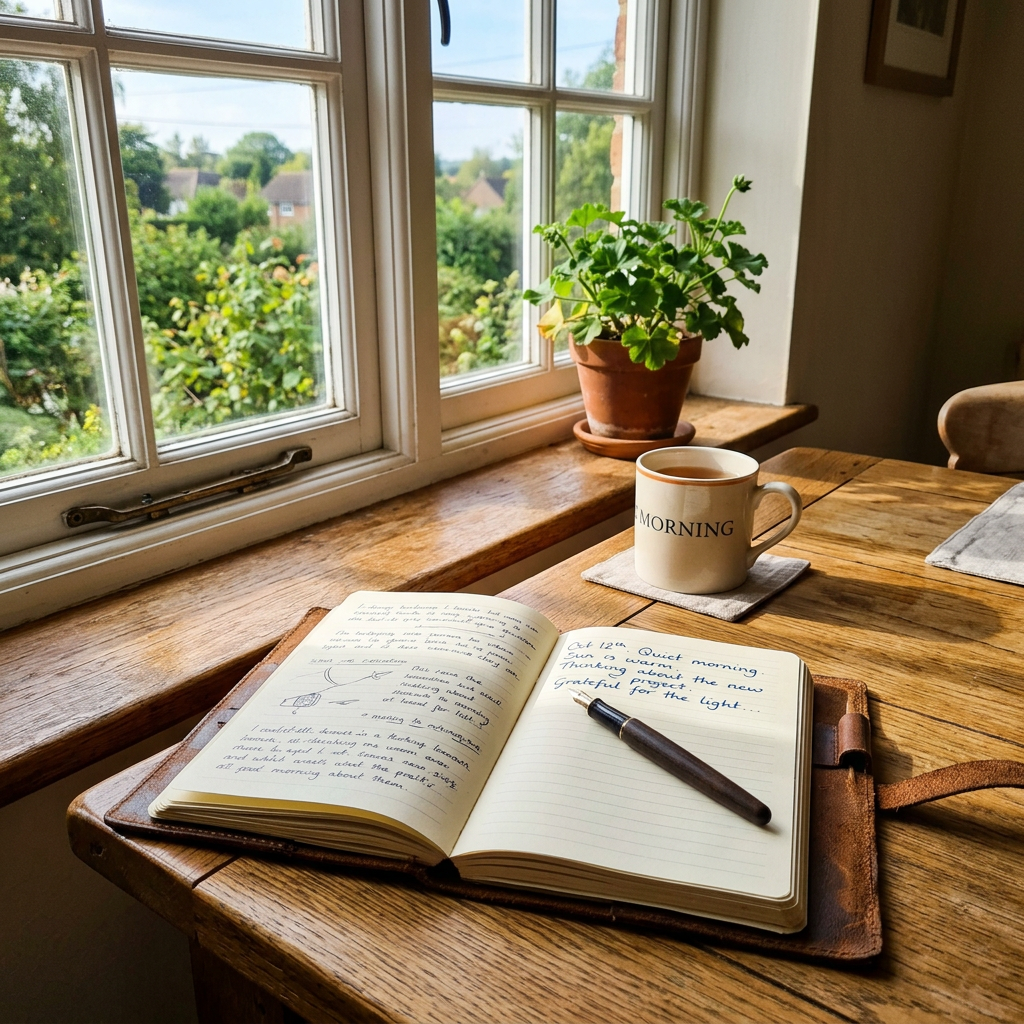
There is something strangely comforting about the sound of a pen moving across paper. The faint scratch of ink, the curling edges of a notebook, the accidental smudge on the side of the hand – it all feels deeply personal. Long before glowing screens and blinking cursors became part of our everyday lives, thoughts were born on paper. Letters carried emotions, diaries guarded secrets, and stories slowly unfolded in untidy handwriting. Today, however, many of us open a laptop before we even finish forming a thought in our minds. The world has become faster, sharper, and more digital than ever before. Yet the debate continues – is it better to write with old-school pen and paper or go straight to the laptop?
For me, both hold a different kind of magic.
Writing on paper feels intimate. It slows the mind down in the best possible way. When we write by hand, we do not rush. We pause between sentences. We think before crossing out words. Every scribble carries emotion. A handwritten page often reflects the mood of the writer. Sometimes the handwriting is neat and graceful, and at other times it is hurried and chaotic. That itself tells a story. A notebook becomes more than paper; it becomes a memory. Years later, reading old handwritten pages feels like meeting an older version of yourself.
There is also honesty in handwritten writing. Without autocorrect, spelling suggestions, or grammar tools hovering over us, our raw thoughts come out naturally. The imperfections remain visible. A crossed-out sentence, a coffee stain, or a hastily written line during an emotional moment often says more than polished words on a screen. Many writers, poets, and thinkers still prefer notebooks because they believe creativity flows differently when the hand moves freely. Somehow, ideas feel warmer on paper.
At the same time, it would be unfair to deny the convenience of a laptop. In today’s fast-moving world, typing is practical. It saves time, keeps work organised, and allows us to edit without rewriting entire pages. For people who write professionally, laptops are almost indispensable. Articles, blogs, books, reports, emails – everything can be stored, corrected, and shared within seconds. There is a certain rhythm in typing too. Fingers moving swiftly across keys can keep pace with racing thoughts in a way that handwriting sometimes cannot.
Laptops have also made writing accessible. A person sitting in one corner of the world can instantly publish their thoughts for thousands to read. Writers no longer need piles of notebooks stacked in cupboards. One device can hold years of work. Cloud storage, editing software, online publishing, and digital research have changed the writing landscape completely. For students and working professionals, laptops are no longer luxuries; they are necessities.
Still, despite all the advantages of technology, many people quietly return to pen and paper whenever emotions become too heavy or too personal. Very few people type a heartfelt apology before first drafting it somewhere privately. Many still keep journals beside their beds. Some people write poems only in notebooks because they feel safer there. Even children instinctively doodle on paper when they are bored or imaginative. Perhaps paper allows vulnerability in a way screens do not.
I think the real difference lies not in the tool itself, but in the feeling it creates. Writing on a laptop feels efficient. Writing on paper feels emotional. One is built for speed; the other for connection. Neither is completely better than the other because both serve different purposes in our lives.
There are days when inspiration arrives suddenly, and typing becomes the quickest way to capture it before it disappears. On other days, thoughts arrive slowly and need the patience of pen and paper. Some stories deserve the permanence of ink. Some ideas demand the flexibility of digital writing. The beauty is that we do not have to choose only one.
Ironically, even in this highly digital era, handwritten things continue to hold enormous sentimental value. A typed message may be convenient, but a handwritten letter is treasured. Printed cards are lovely, but handwritten notes are unforgettable. Technology may dominate our routines, but paper still holds our emotions.
Perhaps the answer is not about abandoning one for the other. Perhaps balance is the real answer. Use the laptop for efficiency, but keep a notebook nearby for the soul. Type your articles if you must, but occasionally write your feelings by hand. Because in the end, writing is not merely about words. It is about preserving thoughts, emotions, memories, and pieces of ourselves.
And no matter how advanced technology becomes, there will always be something timeless about ink touching paper.
Author’s Note:
As someone who writes regularly, I often find myself caught between both worlds. My laptop helps me organise my thoughts and share my work quickly, but my deepest emotions still find their way into notebooks first. Some feelings simply look more beautiful in handwriting. Perhaps that is why, even today, I can never completely let go of pen and paper.
Leave a Reply