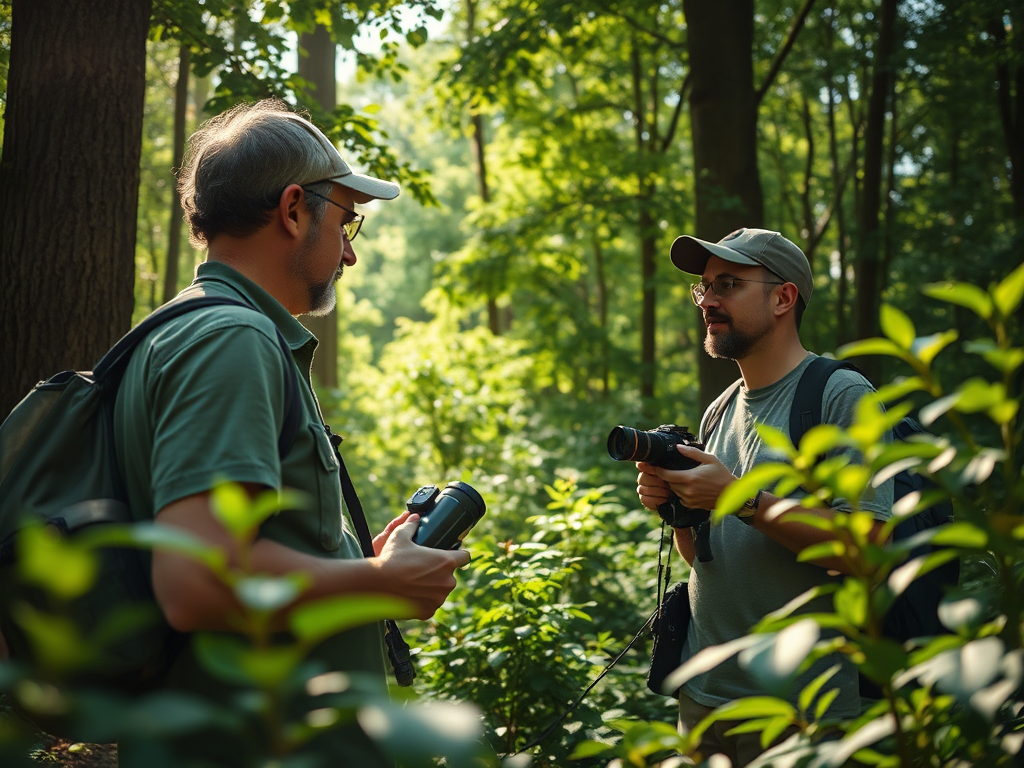

Environmental journalism is a specialized field of journalism focused on reporting on environmental issues, including climate change, biodiversity, and sustainability. It aims to inform the public, raise awareness, and drive positive change through accurate and timely reporting.
The key aspect of environmental journalism is that it focuses on the natural world, including issues like pollution and deforestation, besides climate change and biodiversity loss.
Environmental journalists strive to present scientifically accurate information and avoid bias. They aim to educate and inform the public about environmental issues, engage the public, and empower them to take action.
Environmental journalists investigate and are often involved in uncovering hidden environmental problems and holding governments and corporations accountable for their actions.
Beyond reporting problems, environmental journalists also highlight successful solutions, innovations, and grassroots movements.
Environmental issues can be both local and global, requiring coverage of stories on various scales.
The importance of environmental journalism is to raise awareness by highlighting environmental problems. Environmental journalists can help the public understand the urgency of these issues.
Environmental journalists help in ‘Driving policy changes.’ By holding those in power accountable, environmental journalism can contribute to policy reforms that protect the environment.
Environmental journalism helps in promoting sustainability and can raise awareness of the importance of sustainable practices and inspire people to adopt them.
It helps in fostering environmental literacy by providing accurate and accessible information.
Environmental journalism can help the public become more environmentally literate.
Environmental journalism cater to challenges and opportunities and work in resource-constrained environments, making it difficult to conduct thorough investigations and reach a wide audience.
It sometimes faces lack of funds, as it often requires in-depth research and specialized knowledge. As environmental concerns become more and more pressing, there is a growing demand for accurate and accessible environmental news.
There are many opportunities for collaboration in this field. Environmental journalists can collaborate with other organizations, researchers, and activists to amplify their voices and create more impactful stories.
The rise of digital media and social media provides new opportunities, platforms, and formats for environmental journalists to reach a wider audience and engage with their communities.
Environmental journalism is the collection, verification, production, distribution and exhibition of information regarding current events, trends, and issues associated with the non-human world. To be an environmental journalist, one must have an understanding of scientific language. The individual needs to put to use their knowledge of historical environmental events.
One must have the ability to follow environmental policy, decisions, and environmental organizations. An environmental journalist should have a general understanding of current environmental concerns and the ability to communicate information to the public in a way that is easily understood.
Environmental journalism falls within the scope of environmental communication. Its roots can be traced to nature writing. There exists a minor rift in the community of environmental journalists.
Some, including those in the Society of Environmental Journalists, believe in objectively reporting environmental news. While others, like Michael Frome, a prominent figure in the field, believe that journalists should only enter the environmental side of the field if saving the plant is a personal passion, and that environmental journalists should not shy away from environmental advocacy, though not at the expense of clearly relating facts and opinions on all sides of an issue This debate is not likely in the field of journalism filtering up from new media being used by the general public to produce news, it seems likely that the field of environmental journalism will lend itself more and more towards reporting points of view akin to environmental advocacy.Environmental journalism plays a vital role in addressing global crises like climate change and biodiversity loss, educating the public, and holding policymakers accountable.
In conclusion, environmental journalism plays a vital role in informing the public, driving policy change, and promoting environmental stewardship. By providing accurate, timely and engaging coverage of environmental issues, environmental journalists can help create a more sustainable and healthy world for all.
One controversy in environmental journalism is how to distinguish the genre from its allied disciplines.


Leave a Reply