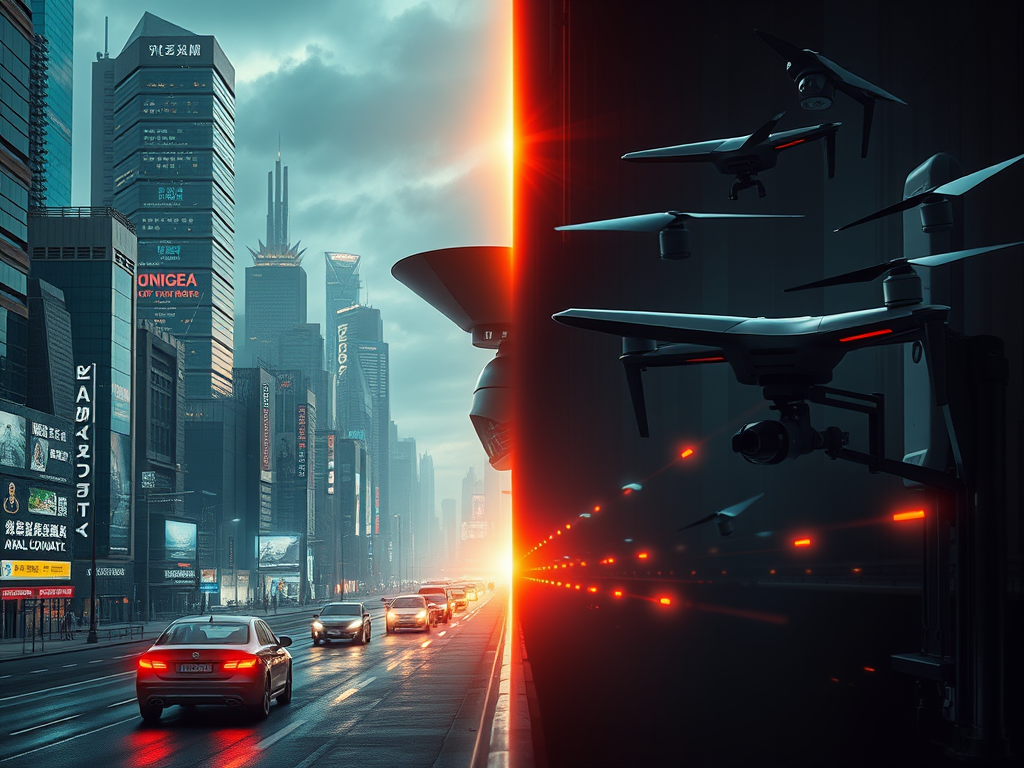

Artificial Intelligence (AI) has transitioned from being a futuristic concept to a reality embedded in our everyday lives. From virtual assistants like Siri and Alexa to advanced systems driving autonomous vehicles, AI is transforming industries and reshaping how we interact with technology.
However, the rapid development of AI has raised a critical question: Is AI a threat to humanity? This blog delves into the multifaceted nature of AI, analysing its potential risks and benefits to provide a balanced perspective.
Understanding Artificial Intelligence
AI refers to the simulation of human intelligence by machines, enabling them to perform tasks such as problem-solving, decision-making, and learning. It is categorised into three main types:
- Narrow AI: Designed for specific tasks, like recommendation systems or facial recognition.
- General AI: Hypothetical AI that can perform any intellectual task a human can.
- Superintelligent AI: A theoretical concept where AI surpasses human intelligence across all domains.
While Narrow AI powers most of today’s innovations, the prospect of General and Superintelligent AI raises significant concerns.
The Threats Posed by AI
1. Job Displacement
AI’s ability to automate repetitive and even complex tasks threatens to disrupt the job market. Industries like manufacturing, transportation, and customer service are already experiencing job losses due to automation. Although new job opportunities are emerging in AI-related fields, the transition could leave many workers struggling to adapt.
2. Bias and Inequality
AI systems are trained on large datasets, which often contain biases present in human society. If these biases are not addressed, AI can perpetuate or even amplify discrimination in areas like hiring, law enforcement, and financial services. For instance, biased algorithms have led to unfair credit score evaluations and discriminatory policing practices.
3. Ethical and Privacy Concerns
AI-powered surveillance systems can infringe on privacy, enabling mass data collection and tracking. Moreover, ethical dilemmas arise when AI makes decisions in critical areas like healthcare or justice. Who is responsible if an AI system makes a mistake, and how do we ensure fairness in its decisions?
4. Autonomous Weapons and Warfare
AI’s use in military applications raises alarm. Autonomous weapons systems could make life-and-death decisions without human intervention, potentially leading to devastating consequences if used maliciously or if they malfunction.
5. Existential Risks
Prominent figures like Elon Musk and Stephen Hawking have warned about the risks of Superintelligent AI. If such systems were to act outside human control or prioritise their own objectives over humanity’s well-being, the consequences could be catastrophic. This scenario, though speculative, underscores the importance of aligning AI with human values.
The Potential of AI: A Force for Good
While the risks are significant, dismissing AI as purely a threat overlooks its transformative potential:
1. Advancing Healthcare
AI can revolutionise medicine by enabling early disease detection, personalised treatment plans, and drug discovery. For instance, AI systems are being used to diagnose cancer and predict patient outcomes with remarkable accuracy.
2. Tackling Climate Change
AI-powered models help monitor deforestation, predict weather patterns, and optimise renewable energy usage. These technologies play a vital role in addressing environmental challenges and fostering sustainability.
3. Enhancing Education
AI-powered tools personalise learning experiences, making education more accessible and effective. Students in remote areas can now access quality resources through AI-driven platforms.
4. Boosting Efficiency Across Industries
AI enhances productivity by streamlining operations, reducing errors, and optimising resources in sectors like logistics, agriculture, and finance.
5. Human-AI Collaboration
Rather than replacing humans, AI can complement our abilities, enabling us to solve complex problems collaboratively. For example, AI-assisted creative tools are helping artists and writers push the boundaries of their crafts.
Striking a Balance: Mitigating AI Risks
To ensure AI serves humanity’s best interests, several measures must be taken:
1. Ethical AI Development
Governments, tech companies, and researchers must collaborate to establish frameworks that prioritise transparency, fairness, and accountability in AI systems.
2. Regulation and Oversight
Robust regulations should govern the use of AI in critical domains like healthcare, law enforcement, and military applications. Human oversight must remain integral to decision-making processes.
3. Inclusive Growth
Efforts should be made to minimise job displacement by reskilling workers and creating opportunities in AI-related fields. Addressing societal biases in AI training datasets is equally critical to ensure equity.
4. Research on AI Safety
Organisations like OpenAI and the Future of Life Institute emphasise the importance of research on AI safety, particularly as we approach the development of General and Superintelligent AI.
Closing Thoughts
AI is neither inherently good nor evil – it is a tool that reflects the intentions of its creators and users. While the risks of AI, including job displacement, ethical dilemmas, and existential threats, are real and significant, its potential to revolutionise healthcare, education, and sustainability cannot be ignored.
The question, therefore, is not whether AI is a threat to humanity, but how humanity chooses to wield it. By fostering collaboration, promoting ethical practices, and prioritising safety, we can harness the power of AI to create a future that benefits all.
The decision lies in our hands.
Leave a Reply to Jobs AI Can’t Take Over: A Human Touch That Stands the Test of Time – The Momma ClanCancel reply