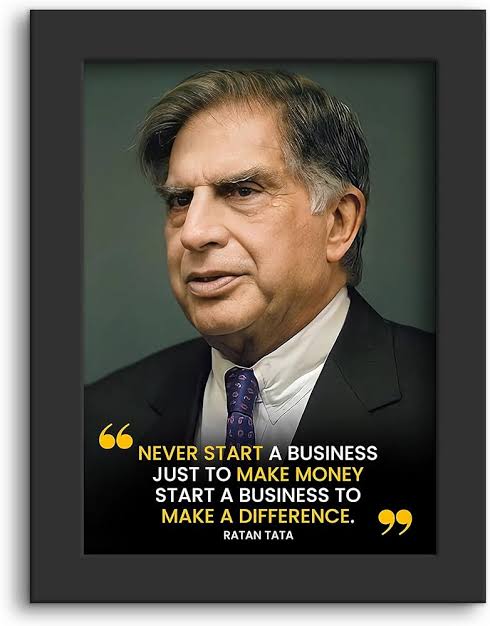
The passing of Ratan Tata, a true national icon, at the age of 86 marks the end of an era for India and the world. A visionary industrialist, a compassionate humanitarian, and an emblem of integrity, Ratan Tata leaves behind a legacy that transcends business achievements. His life was a testimony to the power of ethical leadership and a dedication to societal upliftment.
Early Life and Education

Born on December 28, 1937, in Mumbai, Ratan Tata was the great-grandson of Jamsetji Tata, the founder of the Tata Group, one of India’s largest and most respected conglomerates. After completing his schooling at the prestigious Campion School, he went on to study at Cornell University, where he earned a degree in architecture. Later, he attended the Harvard Business School’s Advanced Management Program, where he honed his leadership skills that would guide him through his illustrious career.
Stepping Into His Own
Ratan Tata joined the Tata Group in 1962, initially working on the shop floor of Tata Steel in Jamshedpur. His journey was not easy, despite his famous surname. He believed in learning from the ground up, starting as an apprentice rather than stepping directly into a leadership role. This hands-on approach shaped his understanding of the workforce and the importance of nurturing relationships within a company.
In 1991, after taking over as the chairman of Tata Sons, Ratan Tata embarked on a mission to expand and globalise the Tata Group. Under his leadership, the Tata Group’s revenues grew over 40 times, and profits soared over 50 times. The group, which was primarily focused on India, expanded internationally through landmark acquisitions such as Tetley Tea, Corus Steel, and Jaguar Land Rover, positioning Tata as a global industrial powerhouse.
Visionary Leadership: The Iconic Deals
Ratan Tata was more than a businessman; he was a visionary. His leadership was characterized by foresight, humility, and a commitment to long-term growth. The acquisition of British steelmaker Corus in 2007 was a turning point for India’s industrial sector. This bold move symbolized India’s growing strength on the global stage.
The purchase of Jaguar Land Rover in 2008 was another masterstroke that stunned the global automotive industry. At a time when both brands were struggling, Ratan Tata saw an opportunity where others saw risk. His calculated gamble paid off, with Jaguar Land Rover becoming a crucial asset for the Tata Group, bolstering its global footprint and reputation for luxury.

The People’s Industrialist
Ratan Tata was often described as a “people’s industrialist.” Despite his many successes, he remained grounded and committed to his employees and society at large. His famous gesture of personally visiting the families of the victims of the 26/11 Mumbai attacks, who worked at the Taj Mahal Palace Hotel, showed his deep empathy and humaneness.
Perhaps one of his most talked-about ventures was the Tata Nano, the world’s cheapest car. Ratan Tata conceived the idea of providing an affordable car to the masses of India, aiming to help families transition from two-wheelers to a safer mode of transportation. While the Nano didn’t achieve commercial success, it exemplified Tata’s innovative spirit and his determination to make a positive social impact through business.

Philanthropy: A Legacy of Giving
Beyond business, Ratan Tata’s heart lay in philanthropy. As chairman of Tata Trusts, he spearheaded numerous initiatives in education, healthcare, rural development, and public health. His contributions to cancer treatment facilities in India, promoting higher education for underprivileged students, and supporting scientific research have left a lasting mark on the nation’s progress.
His approach to philanthropy was not merely about giving; it was about creating sustainable solutions to India’s most pressing issues. One of his most celebrated contributions was the establishment of research centres for clean energy, recognizing the urgent need for sustainable development in the face of climate change.
Ratan Tata also invested heavily in startups, offering financial and mentoring support to a new generation of entrepreneurs in India. This foresight helped nurture a vibrant startup ecosystem in India, cementing his role as a guide to the future of business.
A Humble Humanitarian
What truly set Ratan Tata apart was his humility. Despite being one of the most powerful figures in the global business world, he was known for his modesty and unassuming nature. His simple lifestyle, devoid of extravagance, was a reflection of his values. In an era where business leaders are often driven by self-interest, Ratan Tata stood as an exemplar of ethical leadership and selflessness.
His unwavering commitment to social justice and ethical business practices earned him widespread admiration. His belief in responsible capitalism, where profits and social welfare go hand in hand, became a guiding principle for many.

Awards and Recognition
Throughout his lifetime, Ratan Tata received numerous accolades. He was awarded the Padma Bhushan in 2000 and the Padma Vibhushan in 2008, two of India’s highest civilian honours, recognizing his contributions to trade, industry, and public life. His influence extended beyond India, as evidenced by his honorary knighthood from the UK in 2014 for his services to UK-India relations.
The End of an Era
Ratan Tata’s death signifies the loss of one of India’s most beloved and respected figures. His impact was felt across industries and communities, and his leadership principles have left an indelible mark on business practices worldwide. As we reflect on his life, we are reminded of the values he stood for: integrity, compassion, and an unwavering commitment to making the world a better place.
While the man himself is no longer with us, his legacy will continue to inspire generations to come. From his landmark business deals to his philanthropic ventures, Ratan Tata showed the world that true leadership lies in serving others and building a sustainable future.
In remembering Ratan Tata, we not only honour the trailblazing industrialist but also the humanitarian who dedicated his life to improving the lives of millions. His journey will forever be a beacon of hope, resilience, and purpose. The Tata name will continue to stand for trust, innovation, and the spirit of India, thanks to the man who lived by those principles every day of his life.
-Dr. Arwa Saifi


Leave a Reply