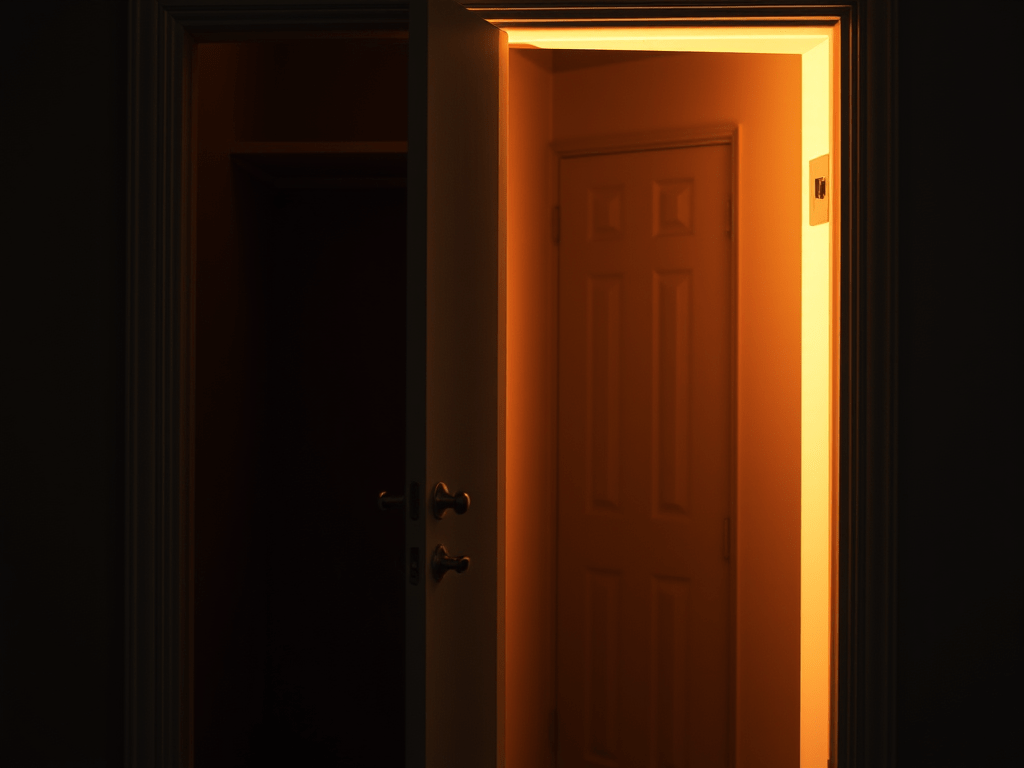
We all have them. The skeletons in our closet. The mistakes we’ve made, the moments we regret, the flaws we hide even from ourselves. For some, these skeletons are small – a forgotten promise, a harsh word spoken in haste. For others, they feel enormous – a failure, a loss, or a choice that continues to haunt us.
Yet, no matter their size, we carry them everywhere. We tuck them away behind smiles, behind excuses, and behind the polished image of who we think we should be.
Why We Hide Them
It’s natural to feel ashamed of our imperfections. Society teaches us to aim for perfection – at work, in relationships, in how we appear to others. So, we hide the parts of ourselves that seem “unacceptable.”
Perhaps you pretend to be confident during meetings while secretly doubting every word you say. Maybe you act cheerful in social gatherings despite feeling exhausted and overwhelmed. Or you keep quiet about your struggles, fearing judgment or rejection.
These skeletons can feel like weights, pulling us down silently. But hiding them doesn’t make them disappear.
Seeing the Value in Imperfections
The truth is, our skeletons tell stories. They remind us of where we’ve been, what we’ve learned, and how far we’ve come. A mistake at work might have been humiliating at the time, but it could also have taught you resilience and patience. A fractured friendship might have hurt deeply, but it could have shown you the kind of people worth keeping in your life.
Imperfections are not failures. They are evidence of being human – of trying, failing, and trying again. Every flaw holds a lesson, and every scar carries a story of survival and growth.
Real-Life Examples
Consider the teacher who forgets to prepare a lesson plan and feels embarrassed in front of her class. Instead of hiding the mistake, she acknowledges it, improvises, and discovers new ways to engage her students. The experience becomes a lesson in flexibility and creativity.
Or think of the parent who loses patience with their child one day. They apologise the next morning, teaching the child not only about accountability but also about the power of humility and love.
Even in our personal lives, imperfections can create deeper connections. A friend who admits their vulnerability encourages others to do the same, forming bonds built on honesty rather than pretence.
Letting Go of the Fear
Most of us fear exposing our skeletons because we imagine judgment or rejection. Yet, hiding who we are doesn’t make us safer – it makes us lonely. Vulnerability can be uncomfortable, but it is also freeing.
The more openly we acknowledge our imperfections, the more we realise that no one is perfect. Everyone carries their own skeletons. And in accepting ourselves, flaws and all, we also create space to accept others.
Embracing Your Skeletons
Embracing your skeletons doesn’t mean celebrating mistakes or refusing to grow. It means acknowledging your humanity, learning from your experiences, and moving forward without shame.
Next time you catch yourself hiding a flaw, ask, “What is this teaching me?” How can I use this to become stronger, wiser, and more compassionate?
When we face our skeletons instead of running from them, they lose their power to intimidate. They transform from sources of shame into reminders of resilience, courage, and growth.
Final Thoughts
Our imperfections are not burdens; they are badges of experience. They remind us that life is messy, unpredictable, and beautifully human. By embracing the skeletons in our closet, we embrace ourselves – fully, honestly, and unapologetically.
And in that acceptance, we find freedom, peace, and a deeper connection to the world around us.
 The Momma Clan
Leave a comment