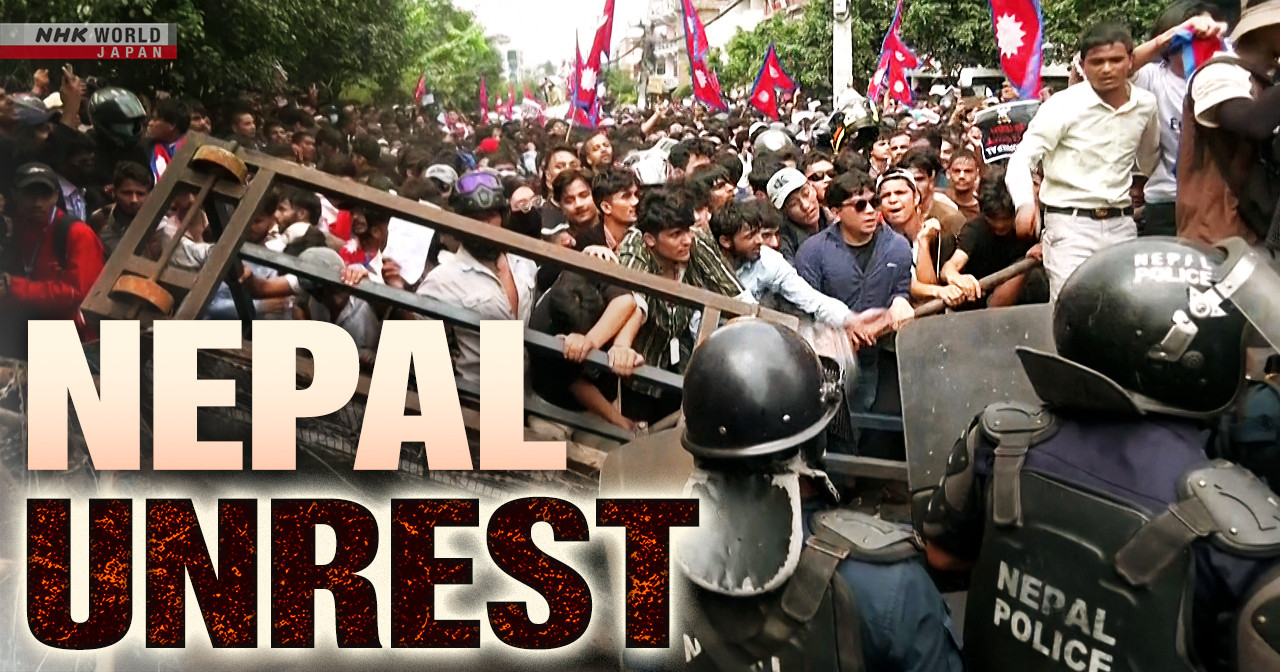

Nepal is a small but remarkable country, known for the Himalayas, Mount Everest, and its rich cultural traditions. Tourists from across the world see it as a peaceful destination, but the reality for its citizens has often been very different. Political uncertainty, economic struggles, and frequent social unrest have shaped daily life. The recent riots have once again raised a serious question: can Nepal find a path to lasting stability?
Why Do Riots Happen?
Riots do not appear out of nowhere. They usually grow from years of frustration. Nepal’s politics has been unstable for decades. Since the end of the monarchy and the introduction of democracy, governments have changed frequently. Leaders often promise development, but many of these promises remain unfulfilled. This creates disappointment among the people.
Another reason is inequality. Nepal is a diverse country with many ethnic groups, languages, and communities. Unfortunately, some of these communities feel ignored or left out of the decision-making process. When people feel their voices are not heard, they lose faith in the system. Over time, this frustration can turn into anger and lead to protests and riots.
Unemployment and poverty add to the problem. Young people, especially those in rural areas, often find very few opportunities. When education does not lead to jobs, many either migrate abroad or become frustrated at home. This dissatisfaction can make them more likely to join protests.
The Need for Good Leadership
Strong and honest leadership is at the heart of stability. People want leaders who put the nation first, not personal gain. Sadly, corruption, political rivalries, and power struggles have weakened public trust in Nepal’s leaders.
For Nepal to move forward, leaders need to focus on building trust with the people. This can be done through fair policies, transparent governance, and real efforts to fight corruption. Leaders should listen to the needs of all communities, especially those who feel neglected. True stability can only come when citizens feel included and valued. Leadership is not only about holding power – it is about taking responsibility and working for long-term development rather than short-term political benefits.
Strengthening Democracy and Institutions
Nepal is still a young democracy. Having a constitution and elections is important, but it is not enough. A healthy democracy depends on strong institutions that people can rely on. Independent courts can provide justice without bias. Honest and professional police can maintain law and order fairly. A free and responsible press can raise issues that matter to the people. These institutions create balance in society.
When institutions are weak, citizens often feel that protests are the only way to make their voices heard. But when institutions are strong, people can trust the system to solve problems peacefully. For Nepal, strengthening these institutions is a key step towards stability.
The Role of the Economy
Economic challenges are one of the main reasons behind Nepal’s unrest. The country depends heavily on remittances – money sent home by workers living abroad. While this money helps families survive, it also shows how few opportunities exist inside Nepal.
Many young people leave for jobs in the Middle East, Malaysia, or India. This creates a “brain drain,” where Nepal loses its talented youth. If this continues, the country may struggle to build its own future.
Nepal has great potential in several areas. Tourism is one of the biggest opportunities. With its mountains, temples, and cultural festivals, Nepal can attract millions of visitors each year. But tourism needs good infrastructure—roads, hotels, airports, and safety measures. Agriculture is another area with promise. Most Nepalis still depend on farming, but traditional methods limit productivity. Modern techniques, training, and better access to markets can transform agriculture into a stronger source of income. Nepal is also rich in water resources, which can be used for hydropower. Developing renewable energy not only creates jobs but also reduces dependence on imports.
A stronger economy will not solve every problem, but it will give young people hope and a reason to invest in their future at home.
The Importance of Dialogue
Peace cannot last without dialogue. Nepal has many communities with different languages, cultures, and histories. Every community must feel heard and respected.
In the past, Nepal was able to end a long civil war through dialogue and compromise. This shows that talking and negotiating can bring peace. The same approach can be used today to resolve social tensions. Civil society, educators, and community leaders also have a role to play. They can encourage understanding, reduce mistrust, and bring people together. Education in particular can help young people learn tolerance, respect, and unity.
Looking Ahead
Stability will not come overnight. It requires patience, hard work, and cooperation. Nepal has already shown great resilience. The country has survived earthquakes, natural disasters, political conflicts, and social divisions. Each time, the people of Nepal have found ways to recover.
The road ahead is challenging, but not impossible. Nepal’s path to stability will depend on honest and responsible leadership, strong democratic institutions, better job opportunities, open dialogue among all communities, and a spirit of unity and compromise. Riots may highlight the problems, but they do not have to define Nepal’s future. With the right steps, Nepal can move forward towards peace, development, and stability. The people of Nepal deserve a future where their voices are heard, their needs are met, and their country stands strong.
Leave a Reply