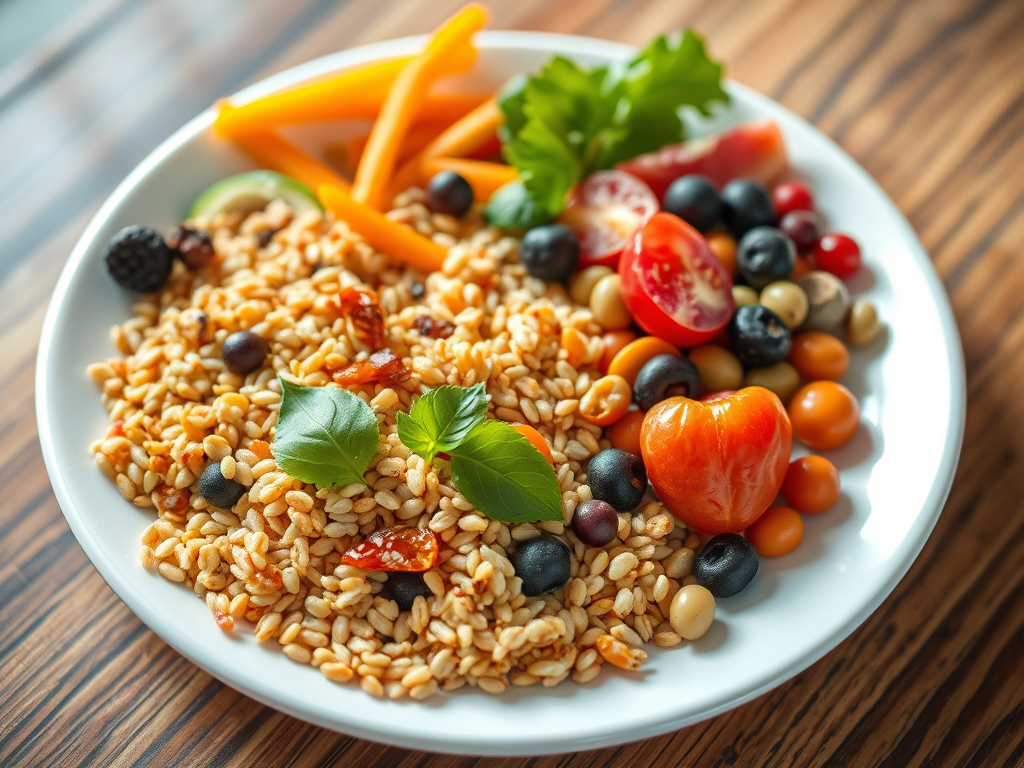

Maintaining a healthy diet is crucial for our well- being. The food we consume directly impacts our physical and mental health. However, with busy schedules and tempting unhealthy options, developing and sticking to healthy eating habits can be challenging. If you eat or drink more than your body needs, you will put on weight (and suffer from many diseases like obesity and weight gain) because the energy you do not use is stored as fat. If you eat and drink too little, you will lose weight.
The key to a healthy diet is to eat the right amount of calories for how active you are so you balance the energy you consume with the energy you use. It is recommended that men have around 2,500 calories a day (10,500 kilojoules). Women should have around 2,000 calories a day (8,400 kilojoules).
WHY DOES HUMAN BEING REQUIRE TO EAT FOOD???
The human body requires energy to perform all the basic functions of the body like breathing, digesting food, keeping it warm, helping repair the food, inducing growth and maintaining a healthy immune system. The energy substances are always there in the form of nutrients in a variety of food. A calorie is a basic unit for energy that we get from the food we eat. In other words you can say that calorie is a fuel which is stored and burnt by our body as per requirement or habit we have cultivated.
THE LINK BETWEEN DIET AND WELL-BEING
Our diet plays a significant role in determining our energy level, mood and immune system. Understanding that connection between what we eat and how we feel is the first step towards adopting healthier eating habits.
Healthy eating habits involve consciously choosing a variety of foods or a colorful plate to provide appropriate nutrients such as calcium, iron, carbohydrates, fibre, vitamins and minerals to keep the body energetic, light, happy and to maintain healthy organs and systems of overall well-being.
Here are key elements of Healthy Eating:-
WHAT TO EAT
1) ) CARBOHYDRATES
These are the body’s primary fuel or nutrient. Carbohydrates provide you with energy which should constitute 50-60% of your diet. Though it forms a different component, you should not treat all crabs equally.
Sources
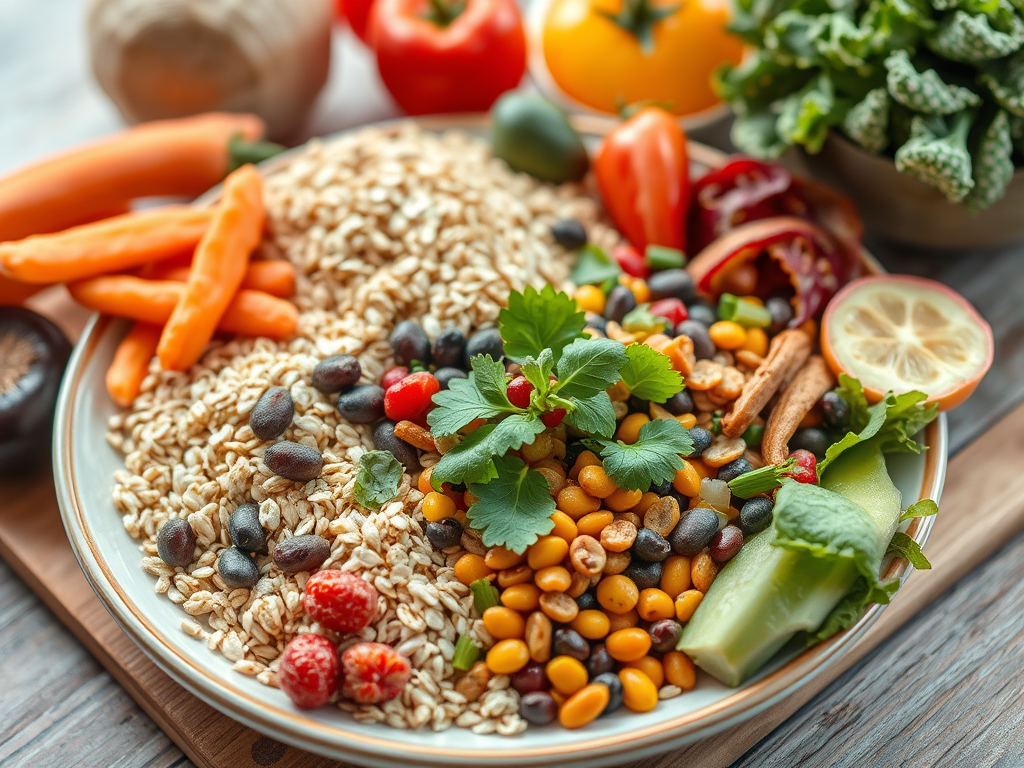
Ø Whole grains like Oats, Quinoa
Ø Whole wheat, Dahlia
Ø Legumes
Ø Millets like ragi, bajra, barley
Ø STARCHY FOOD-
· These contain more fiber than white or refined starchy carbohydrates and can help you feel full for longer.
· Choose higher fiber or wholegrain varieties such as whole-wheat pasta, brown rice, corn or potatoes with their skin on.
· Try to include at least 1 starchy food with each main meal. Some people think starchy foods are fattening, but gram for gram the carbohydrate they contain provides fewer than half of the calories of the fat.
· Keep an eye on the fats you add when you are cooking or serving these types of foods because that’s what increases the calorie content- for example, oil on chips, butter on bread and creamy sauces pasta.
2) FIBRES
Fibers positively contributes to your health in so many wonderful ways, especially your digestive and gut health. When you’re preparing your meals, ensuring that you have plenty of fiber-rich foods on your plate will help you to feel your best. It will help support your digestion, prevent blood sugar spikes, as well as help you to feel full and satiated.
Ø SALADS– Salads are the powerhouse of the meal. You always have to start your meal by eating lots of salads first. You can include- Cucumber, carrot, tomato onion, beetroot as a starter meal. This helps you to decrease your calories and sugar spikes.
Ø GREEN VEGETABLES- Using green leafy vegetables increases fiber and iron intake. Adding citrus food helps your body absorb and digest all nutrients. You can also drink vegetable juices for more added nutrients.
Ø FRUITS– Eatingfruits whole instead of making juice to avoid increased sugar levels from juice.
Ø WHOLE GRAIN- Whole grains like oats, ragi, quinoa, millets, wheat flour and brown rice are rich in fiber and nutrients. Using a variety of grain seasonally will add different nutrients to your meals.
Ø Adding salads, seasonal fruits, vegetables and grains to your diet fulfils your body’s seasonal requirements.
Ø WATER– Water is crucial for every system in our body and it’s the main thing you are made up of. On average 60% of your body weight is water. You can drink your water in different forms like lukewarm water, coconut water, lemon water, cumin water, etc.
3) PROTEINS
Proteins are your body’s building blocks. It helps your body grow and repair cells and it is involved in many other processes include- building muscle mass and strength, maintaining weight loss, lowering blood pressure, boosting metabolism, repairing and building tissue, maintaining pH and fluid balance, and keeping the immune system strong.
The amount of protein you need depends on your weight, gender, age and health. The Dietary Guidelines of Americans recommend that adult males get at least 56 grams of proteins and adult females at least 46 grams daily. Proteins should account for 10 to 35% of your calories.
You can add your protein as a diet as-
Ø DIARY PRODUCTS
· MILK- We all know that milk is the backbone of our body. It is a good source of high-quality protein, with about 8gm of protein per cup. Your body needs protein in order to build and repair cells in your muscles, bones and skin. Milk also possesses a wide range of nutritional, functional and physiological activities.
· CURD- Curd is one of the most popular fermented dairy products in the world, made by adding live bacteria to milk. It has been eaten for thousands of years and is frequently used as part of a meal or snack, as well as a component of sauces and desserts. At least you have to eat 1 cup of curd daily.
· CHEESE- Cheese is widely enjoyed. Many dishes include it, from classic comfort foods, like Mac & cheese, to sandwiches, salads, pizzas and more. Cheese elevates culinary dishes with flavor, aroma, texture and color. And with an impressive nutritional profile, cheese offers protein, fat, calcium, phosphorus, potassium and vitamin B12—making it one of the important foods for a balanced diet. It is recommended that adults between the ages of 19 and 50 get 1,000 milligrams of calcium daily. Generally speaking, mozzarella, Cheddar, and cottage cheese are some of the most popular types of cheese, but all kinds of cheeses can be a part of your diet as long as you enjoy them in moderation.
· PANEER – Paneer is a protein-rich food that can be consumed raw or cooked. It is among the most popular food items in Indian cuisine. It is one of the best sources of protein for vegetarians. In addition to satiating your taste buds, Paneer also provides protein and other essential nutrients which benefits overall health. This superfood not only increases your muscle mass, but it can also suppress your appetite thereby helping you shed those extra pounds.
Well, consuming 100 grams of this super food can provide your body about 18-20 grams of protein. According to experts, the human body needs 0.8 gm of protein per kg of body weight. For instance, if a person weighs 70 kg, he/she will need 56 grams of protein every day. Keeping this in mind, consuming 50-100 grams of paneer in a day can aid in meeting your body’s daily protein requirements.
Ø LEGUMES AND BEANS- They are great sources of fibre and vegetarian protein. Beans and legumes have several health benefits. Eating more of them may help reduce cholesterol, boost heart health, decrease blood sugar level and increase healthy gut bacteria. For example- chickpeas, lentils, peas, kidney beans, soybeans, peanuts, etc. You can add them into soups, or just eat them on their own for a nutritious vegetarian meal.
Ø NUTS- Native nuts are rich in protein. Here are a few protein rich nuts such as Almonds, Pistachios, Peanuts, Cashew, Walnuts, fox nuts (makhana) and their protein content per 100 gms. Nuts alone are unlikely to provide all the proteins you need but they can help contribute to your daily protein needs. Crunchy and satisfying, nuts make an excellent snack. In addition to being delicious, nuts contain a variety of essential nutrients that can benefit your health including healthy fats, vitamins and protein. There is no single “best nut”, since each provides a different mix of nutrients. So including various nuts in your diet helps you get the benefit of each.
Ø SEEDS- Seeds are a great source of plant- based protein, rich in amino acids, healthy fats, vitamins and minerals. Seeds are an excellent addition to a balanced diet, particularly for those who seek vegetarian or vegan protein sources. Here are a few seeds that have a rich protein content such as- pumpkin seeds, chia seeds, flaxseeds, sunflower seeds, sesame seeds and Amaranth seeds.
4) FATS
Fats are like bodyguards. It is a misconception that fats are bad for your health. You need to add some fat in your diet, it is important to pay attention to the amount and type of fat you are eating. It would be best if you choose healthy fats as fats help you maintain your body temperature and help absorb fat-soluble vitamins A D E and K.
Sources
Ø GHEE AND COLD-PRESSED OILS
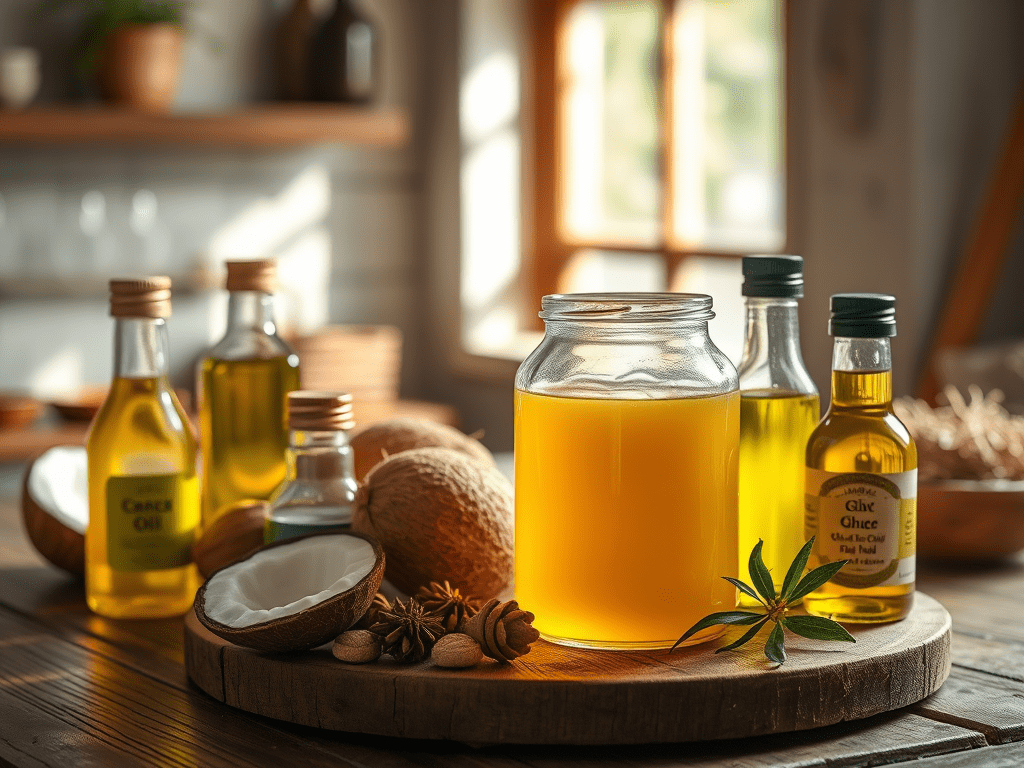
· Good Fats:- Ghee and cold compressed oil like mustard, peanut sunflower and olive oil provide good fats for your body.
· Joint Health- These oils help in mobilizing our joints.
· Cooking Method- Use proper cooking methods to retain nutrients in these oils.
Ø HEALTHY SWEETS- Honey, Jaggery and dates. These are better than white sugars, have low carbs and have more nutrients. But eating in moderation improves your health benefits.
Ø AVOCADOS
Ø NUTS–
Ø SEEDS
5) VITAMINS
These are the tiny helpers that help the body function smoothly. Each vitamin has a specific role to play. You should take vitamins A, C, B and D measures.
Sources
Ø Fruits
Ø Vegetables
Ø Dairy products
Ø Egg
Ø Seeds
Ø Nuts
6) MINERALS
These are like architects for the body. They help to build strong bones and teeth and convert food into energy. Some essential minerals are iron, calcium, potassium, iodine and sodium.
Sources
Ø Cereals
Ø Milk
Ø Vegetables- Beans & spinach
Ø Nuts and seeds
Ø INDIAN SPICES-
· Essential Nutrients- Indian spices are a rich source of essential nutrients. For example, ginger and garlic are immune boosters, while cumin and coriander seeds are good for digestion.
· Antioxidant & Anti-inflammatory Properties:- Spices have antioxidant and anti-inflammatory properties that heal your body and offer medicinal benefits such as turmeric, black pepper,etc.
WHAT NOT TO EAT
Avoid these foods for a healthy life:-
Ø White Sugar- sweets and sugary drinks
Ø Palm oil
Ø Refined grains like Maida, pasta, noodles
Ø Processed foods
Ø Pastry and cakes
WHY BALANCED DIET???
A balanced diet comprises a specific amount of nutrients including carbohydrates , proteins and fats in the ratio of 50-60%, 12-20% and 30% respectively. In addition such a diet should also include food items such as fruits, vegetables, grains, proteins and dairy products. The intake of a balanced diet ensures that one receives essential nutrients, vitamins and minerals required by the body. When planning your diet, choosing a variety of foods is essential to ensure your body acquires all the necessary nutrients.
An adequate amount of all nutrients (like carbohydrates, proteins, fats, vitamins and minerals) are essential to keep the body healthy and functioning correctly. Consuming a balanced diet regularly is crucial for promoting proper growth and development and also maintaining an ideal weight, muscle tone and immunity.
A well-balanced diet has benefits for both physical and mental health. In addition, it reduces the risk of chronic diseases. It can also help with recovery from illness. Various food choices from the six food groups should be consumed in a recommended amount to attain a well-balanced diet.
IMPORTANCE OF BALANCE DIET
Eating balance diet can bring a wide range benefits to your overall health and well-being including:-
· Meet the nutritional demand of the body and prevent malnutrition.
· Keep the energy levels and maintain a normal functioning body.
· Boost the immune system and optimise cell repair.
· Better digestion
· Prevent lifestyle diseases such as Type 2 Diabetes, Cardiovascular Diseases and some certain cancers.
· Stronger bone and teeth.
· Improved skin health like premature aging, reducing the risk of acne and also making your skin glow.
· Help support healthy pregnancies.
· Improved Mental health like anxiety, depression and cognitive decline.
· In children- to promote proper growth and development
· Planning a balanced diet also involves limiting the intake of sugars or salt in patients suffering from Diabetes or hypertension.
ENVIRONMENTAL CONDITIONS THAT FOSTER UNHEALTHY HABITS, YOU NEED TO AVOID
· In a corporate or such meetings, people never pay attention or are not aware of which types of low fibre calorie or bad food they consume. Even during the functions and party, people over tend to overlook the amount of food they consume
· People working late night, the majority of times fall in the habit of nighttime noshing, the habit of eating late night just to keep them awake. This habit contributes to more weight gain significantly.
· Generally, the people or children who work continuously on computers, watching TV or playing a video game, often follow the habit of mindless snacking or consuming food more which results in weight gain very easily.
· Working mothers, sometimes in the absence of time, often send their children to school with junk foods like salty potato chips, bread, cookies or fruit juices available with a lot of sugar added.
· Extreme emotions whether good or bad and in stressed out conditions, people eat more and over the period, gain more weight unconsciously.
DEALING WITH BUSY SCHEDULES BY:
1) MEAL PLANNING
· Plan Your Weekly Menu:- Take a few minutes to plan your meals for the week. You can do it on a Sunday, chilling on your comfy couch. It’s like a roadmap for your taste bud.
· Batch cooking to the Rescue: On a less busy day, whip up larger portions of your favorite meals. Freeze them in a container- you have got homemade T.V. dinners to save the day.
· Healthy Snack Attack:- When time gets scarce, don’t let hunger catch you off guard!!! stock up on grab-and-go healthy snacks like salad chat, apple slices with peanut butter or yogurt parfaits. Delish!!!
2) EMBRACING CONVENIENCE WITHOUT COMPROMISE
Who says healthy eating can’t be convenient? We are blow your mouth with some easy-peasy options:
· Magic Meal Delivery:- Say hello to meal delivery services that bring yummy, healthy goodness right to your doorstep! It’s like having a personal chef without a fancy hat.
· Veggie-Chop Chop:- Ain’t nobody got time to wash and chop veggies every day. Grab pre-cut and pre-washed produce to save time and sanity.
· Savvy Grab-and-Go:- Got a lunch break? Look for restaurants serving healthy grab-and-go options. Fast food doesn’t have to mean unhealthy food.
3) DODGE THE UNHEALTHY TRAPS WHEN DINING OUT
Oh, we feel you- saying “no” to that mouthwatering dessert or juicy burger can be tough. But with our tricks, you can have your cake and healthy too:
· Menu Stalking :- Before heading out, check the restaurant’s menu online. You will be pro at spotting healthy options in no time.
· Share the Love and the Meal :- Dining with pals? Split a dish with a friend to cut those calorie counts in half. It’s a win- win solution.
MINDFUL EATING PRACTICES BOOST YOUR WELLNESS
a) TASTE THE JOY
It’s time to get in tune with your tummy and embrace mindful eating. When you are mindful while eating, you don’t gobble down the food; instead you savour every bite. This brings a sense of contentment as you immerse yourself entirely in the food’s texture, flavor and aroma.
Pause and Ponder- Before you dig in, take a deep breath and think about your food choices. Is it nourishing your body and soul? If the answer is yes!!! then you are alert to your food habits. This technique will help you become a true food master.
b) HAPPY DIGESTION
Adopting the practice of mindful eating helps our digestion process. Chewing your food correctly is like doing the intestines and stomach a favour. Breaking food into smaller pieces prevents bloating and digestion.
c) HEALTHY MUNCHING
Let’s have some fun with mindful snacking. Here are some real life examples to make your snacking healthy:-
When the munchies strike, step away from the bag! Portion out your snack into a cute little bowl. Trust us; it’s a mind trick to prevent mindless munching.
Instead of reaching for those greasy chips, go for nutrient-packed snacks like a mix of crunchy nuts, a delightful yogurt topped with berries or some crisp carrot sticks.
Feeling peckish? Remember snacking should only happen when you are truly hungry, not because you are bored or feeling stressed. Channel your inner Jedi and go mindful!
Now that you are armed with these fantastic tips and tricks, you are tackling any challenge that comes your way on your journey to healthy eating. May the force be with you always!
d) MASTERING THE PORTIONS
Consuming a variety of food in appropriate amounts and refraining the overeating is more beneficial for a healthy body. Having a small proportionate meal is good for your health, as it aids digestion, improves gut health and helps with healthy weight management.
Mindful eating helps you be cautious about your portions. By sensing when you are full and avoiding overeating impulsively, you can break the habit of overeating.
e) FAREWELL TO LAVISH OVEREATING
The times when you eat out of boredom or stress are highlighted when you eat mindfully. You are in control of mindfully eating. All because your radar is programmed to actual hunger indicators.
f) LISTEN TO YOUR BODY’S SIGNALS
Understanding your body’s needs according to your health conditions and adding a variety of foods accordingly to get all necessary nutrients. For example, some people are allergic to citrus foods, but for others, citrus is essential for proper iron absorption and building immunity.
Mindful eating urges you to focus on your body’s symphony. After consuming certain meals, you will be able to observe how your body responds to them. This knowledge leads to energizing and uplifting food.
g) RELAXING
Meal times offer a break from daily chaos. Relax and savour your meal- it’s a beautiful way to destress. So, whenever you eat with pleasure, relish the taste and let distractions go. Observe how your body responds. Your digestive system and dining satisfaction will be grateful to you.
h) KEEP HYDRATED
Water is the ultimate super food and there are basically no side-effects of drinking more water. Drinking water can help you feel more full, it helps in your craving down as well as increase your energy and help regulate pretty much every process within your body. You need to drink plenty of fluids to stop you getting dehydrated. The government recommends drinking 6 to 8 glasses of water. This is in addition to the fluid you get from the food you eat.
BUILDING YOUR HEALTHY EATING HABITS
We all know life can get pretty hectic. Developing healthy eating habits is not everyone’s cup of tea. It requires a lot of self-control, patience and above all willingness to change. Here some of the healthy tips you all need to follow:-
1) CHATTY TIPS
a) Fuel your purpose- Be clear about your purpose in healthy eating such as losing weight, feeling more energetic or improving overall well-being. A clearly defined goal acts as a driving force.
b) Meal Mapping- As stated earlier, plan your weekly meals. This helps you shop mindfully and avoid the last-minute rush to cook unhealthy food.
c) Shop with a list– After planning your weekly menu, shop for food items according to the list. This will limit your purchase of unhealthy food items.
d) Go for a Colourful Plate– Instead of eating plain or bland food, make your meal bowl/ plate as possible by including various fruits and vegetables.
e) Control Your Processed Food– Avoid or limit your unhealthy fats and sugar intake. You might feel energized sometimes, but they are extremely dangerous for your overall health.
f) Divide your Meal– Divide your meal how many times you have to eat in a day. It will help to give a break to digest your food and stop your craving. It makes you feel light and your stomach is feeling good and happy too.
g) Say No To Aerated Drinks- Limit your intake of tea, coffee, sodas and colas. Instead, go for plain water and herbal tea.
h) Cook At Home- When you cook at home, you know what ingredients you are using and which nutrient you will put in your body.
i) Say NO to Late Night Dinner– The actual time of dinner is between 6 P.M. to 8 P.M. When you eat after that you have chances of weight gain, indigestion and sleep disturbance. If you are a late night eater then prepare and eat something light, so it can digest easily.
j) Drink Lots Of Water– Drink plenty of water and stay hydrated. At times, our body mistakes thirst for hunger and we end up overeating.
2) MAKING HEALTHIER CHOICES: TIPS AND TRICKS
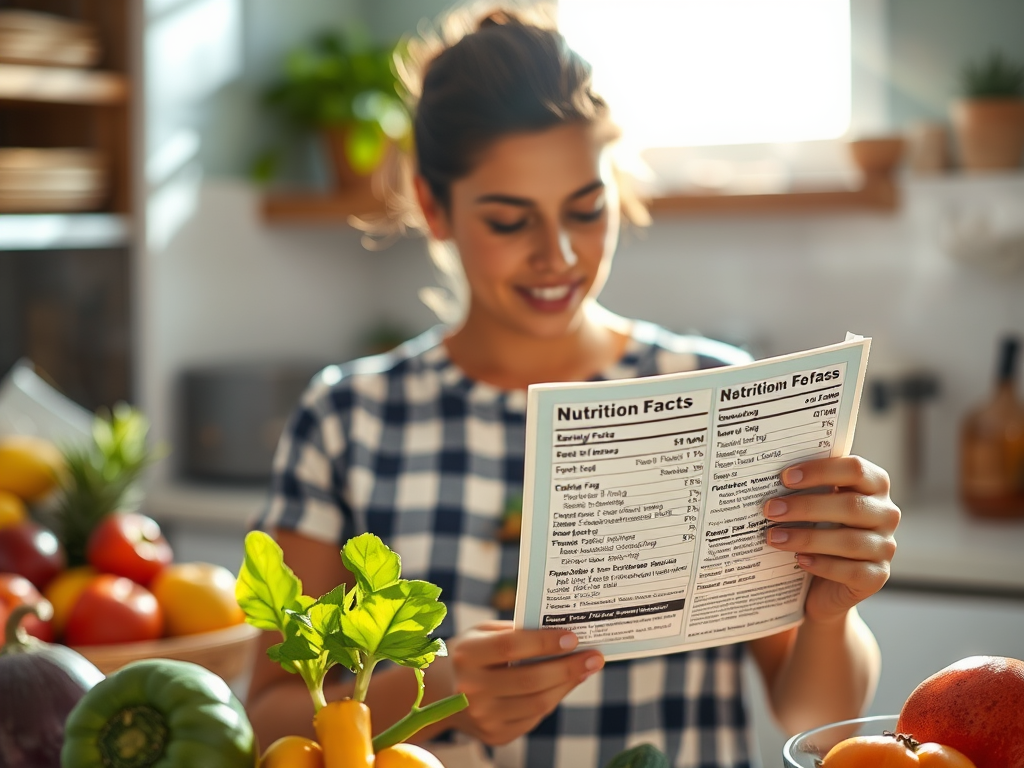
a) Reading Food Label– Educate readers on how to read and interpret food labels to make informed choices. Highlight key elements such as ingredient list, serving size and nutrient content.
b) Opting For Whole Meal– Stick to the perimeter of the grocery store where fresh products and dairy are usually located. Choose whole grain like millets, oats, quinoa and whole wheat bread instead of refined flour. Buy fresh and frozen fruits instead of canned ones that may contain added sugars.
c) Understanding and Avoiding Hidden Sugars and Sodium– Many processed foods contain hidden sugars and sodium. Provide a list of common culprits and suggest healthier alternatives.
3) EMBRACING A HEALTHY LIFESTYLE BY:-
a) Managing Stress For Better Eating Habits :- Explore the connection between stress and emotional eating. Offer stress-management techniques such as meditation and yoga to promote healthy coping mechanisms.
· Start a day with a nutritious breakfast like smoothie bowl topped with fresh fruits and nuts.
· Engage your physical activity you enjoy such as dance class or evening walk.
· Pack a wholesome lunch for work like salad chat and a homemade dressing.
· Unwind in the evening with a healthy light dinner and a calming bedtime routine.
b) Incorporating Regular Exercise- Discuss the correlation between healthy eating habits and regular exercise like physical activity. Encourage readers to find enjoyable forms of exercise to complement their dietary effort.
CONCLUSION
Developing healthy habits is not about strict diets but rather making conscious choices that support our well-being. By understanding the importance of nutrient-rich foods, overcoming common challenges, making better food choices and embracing a healthy lifestyle, we can transform our relationship with food and experience the benefits of improved physical and mental health. Take advantage of the opportunity and recreate your vibrant existence through your choices.
 The Momma Clan
Leave a comment