Introduction

Paris 2024 aims to be one of the most sustainable and innovative Olympic Games ever. The organisers have set ambitious goals to minimise the environmental impact, enhance social inclusion, and celebrate the cultural heritage of Paris. The planning has revolved around three core principles:
1. Sustainability: The commitment to sustainability is evident in every aspect of the Olympic City. From using existing venues to employing eco-friendly construction practices, the organisers aim to halve the carbon footprint compared to previous Games.
2. Inclusion: The Games are designed to be accessible and inclusive for everyone. The Olympic City is equipped with facilities to accommodate athletes and visitors with disabilities, and the events are intended to promote gender equality and social cohesion.
3. Legacy: The organisers have emphasised creating a lasting legacy for Paris and its citizens. Post-Games, the infrastructure will serve the community, with many facilities being transformed into public spaces, sports complexes, and housing.
The Olympic Venues
Stade de France

The Stade de France is the centrepiece of the Games, hosting the opening and closing ceremonies, as well as athletics events. As France’s national stadium, it has been upgraded to meet the demands of the Olympics, with state-of-the-art facilities for athletes and spectators alike.
Seine-Saint-Denis Cluster
Located in the northeastern suburbs of Paris, the Seine-Saint-Denis cluster is a hub of sporting activity. It includes venues like the Aquatics Center, the Olympic & Paralympic Village, and the Media Village. This area showcases a commitment to revitalising the suburbs and providing lasting benefits to local communities.
Grand Palais
One of Paris’s iconic landmarks, the Grand Palais, will host fencing and taekwondo events. The venue has been carefully prepared to balance its historical significance with modern sporting requirements, providing a unique backdrop for the competitions.
Champ de Mars and the Eiffel Tower
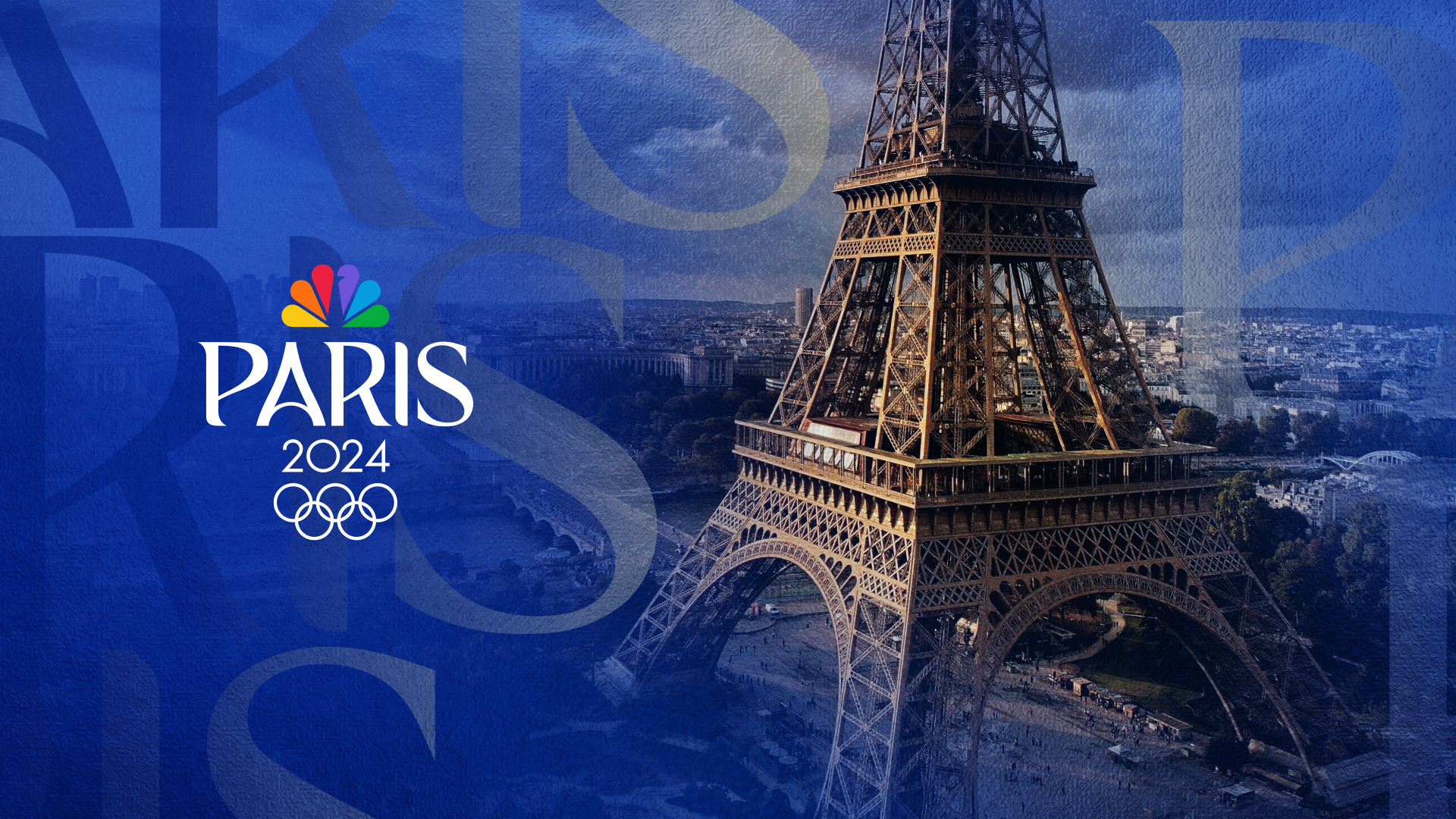
Beach volleyball will take place at the foot of the Eiffel Tower on the Champ de Mars. This setting not only offers a breathtaking view for spectators but also exemplifies the integration of the city’s cultural landmarks into the Games.
Versailles
The Palace of Versailles will host equestrian events, showcasing the blend of history and sport. The venue provides a majestic setting, connecting the grandeur of French history with the excitement of the Olympics.
The Olympic and Paralympic Village
The Olympic and Paralympic Village, located in Seine-Saint-Denis, is designed with sustainability and community in mind. The village will house over 15,000 athletes and officials during the Games, offering them a comfortable and secure environment. Post-Olympics, the village will be transformed into a vibrant neighbourhood, providing housing, schools, and parks for local residents.
Public Transport
Paris 2024 focuses on promoting public transportation as the primary means of commuting. The city’s extensive metro, tram, and bus networks have been upgraded to handle the increased demand, ensuring smooth and efficient transport for all visitors.
Active Mobility
The Olympic City encourages active mobility options like cycling and walking. Dedicated cycling lanes and pedestrian-friendly paths have been established, providing an enjoyable way to explore the city and reducing the environmental impact of the Games.
Celebrating Diversity
The Olympic City embraces Paris’s rich cultural diversity, offering visitors an opportunity to experience the city’s vibrant art, music, and culinary scenes. Cultural festivals, exhibitions, and performances will run alongside the Games, showcasing the best of French and international talent.
Legacy Projects
The legacy of Paris 2024 extends beyond sports. The infrastructure and facilities developed for the Games will contribute to the city’s social and economic development. From improved public transport to new housing and recreational areas, the benefits will be felt long after the closing ceremony.
Environmental Initiatives
Carbon Reduction
Paris 2024 is committed to reducing its carbon footprint by 50% compared to previous Games. This goal is achieved through using renewable energy, optimising waste management, and minimising unnecessary construction.
Circular Economy
The Olympic City embraces the principles of a circular economy, focusing on recycling, reusing materials, and reducing waste. Partnerships with local businesses promote sustainable practices, setting a benchmark for future global events.
Green Spaces
The integration of green spaces throughout the Olympic City enhances biodiversity and provides visitors with natural havens. Parks, gardens, and urban forests are strategically placed, offering relaxation and recreation opportunities.
Conclusion

The Olympic City in Paris for the 2024 Games is a remarkable achievement in sustainable urban planning and community engagement. By prioritising sustainability, inclusion, and legacy, Paris 2024 is setting new standards for future Olympic Games. The blend of sports, culture, and innovation ensures that these Games will leave a lasting impact, not only on the city of Paris but also on the global community. As the world comes together to celebrate athletic excellence, Paris stands as a beacon of progress and unity, offering an unforgettable experience for all.

Leave a Reply