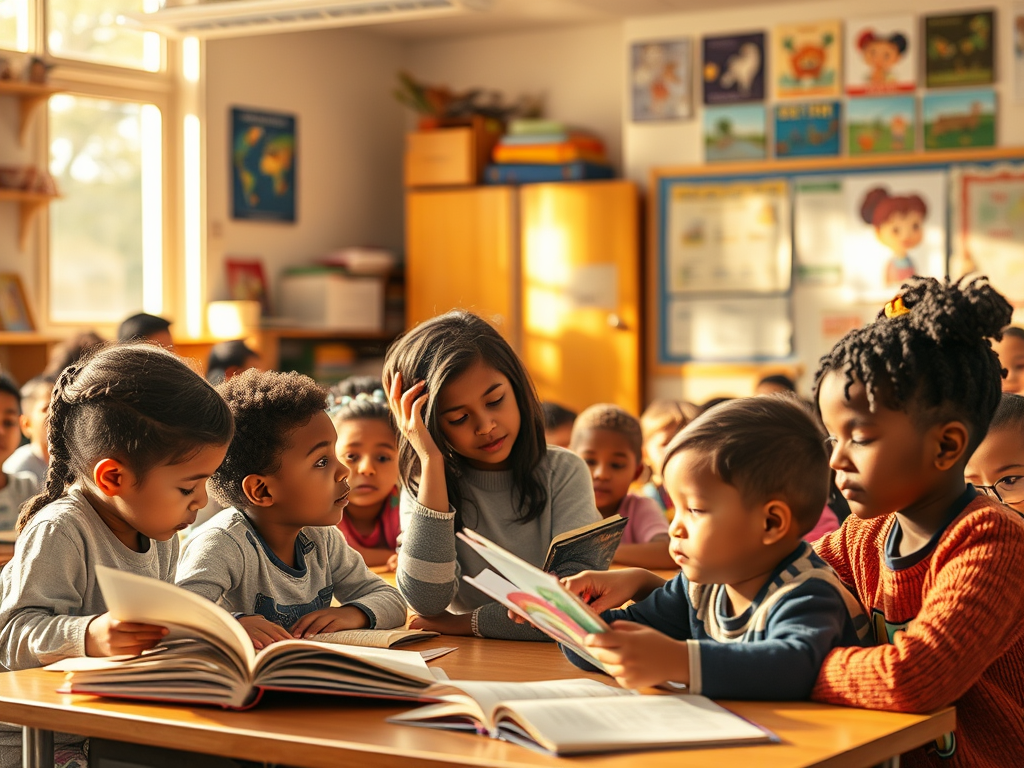
There is a quiet truth every educator carries in their heart:
A child does not walk into a classroom alone—
They bring their entire world with them.
Their unspoken fears, their fragile hopes, the noise of home, the silence of loneliness, the warmth they long for, the storms they are weathering—all travel with them, passing through the school gates long before the first bell rings.
As the old proverb goes:
“A child’s heart is a deep well; teachers draw from it gently.”
These days, as the emotional realities of children’s lives grow heavier, schools are not just places of learning-but lifelines, often becoming the only space where a child is seen, heard, or understood.
When the Classroom Becomes a Refuge
Many students enter school carrying burdens too big for their young shoulders: family conflict, academic pressure, social comparison, or the pain of not being understood at home. They may not have the language to express it, but the body speaks in ways the tongue cannot—headaches, mood swings, silence, anger, withdrawal.
As one wise saying goes,
“The child who needs the most love often asks for it in the most unloving ways.”
This is why a compassionate classroom is not a luxury, it’s a necessity.
Today, teachers are expected to do far more than teach lessons. They become counsellors, mediators, emotional anchors, early-warning systems, and quiet healers. They read beyond textbooks—
They read faces, tones, pauses, tears, and behavioral shifts.
But in this emotional labour lies an untold truth:
Teachers get tired, too. Teachers carry silent storms within them, too.
The Unseen Emotional Weight Teachers Carry
The article rightly points out that the emotional burden on teachers has grown sharply. While supporting children through crises, teachers often absorb anxieties silently—balancing academic pressure, parental expectations, and their own human limits.
There is a Japanese proverb that goes well with this:
“A wise man climbs the mountain; a wiser man looks for someone to climb with.”
Teachers shouldn’t have to climb alone.
They deserve structured emotional support, recognition, wellness spaces, ongoing counselling, and the right to feel human without being judged for it.
Because when the caregiver is cared for, the child is protected;
The classroom becomes his sanctuary;
The school, therefore, becomes a second home.
The Power of Being Heard
Children today need safety more than syllabi.
Listening more than lecturing.
Understanding more than instruction.
The child who says, “My head hurts,” may well be saying, “My heart hurts.”
A silent teenager may be screaming inside.
The misbehaving student may be asking, “Do I matter enough for you to notice?”
It is in these moments that a teacher’s gentle response can be life-changing.
There is an old African saying:
“The child who is not embraced by the village will burn it down to feel its warmth.”
Schools need to be that embracing village.
Creating classrooms where feelings are welcome
Sensitisation workshops, counsellor-supported programmes, open-dialogue sessions, wellness corners, peer circles—these are not small steps. They are safety nets.
Because when a child is understood, behaviour improves.
When a child feels supported, confidence grows.
When a child feels valued, learning blooms.
“Emotions are not disruptions to learning;
They are the fundament of it.”
The Silent Heroism of Teachers
Behind every calm smile of a teacher lies a heart that juggles dozens of children’s emotional worlds. They soothe fears, manage crises, celebrate small victories, and nurture resilience, all while setting aside their pain in silence.
As the proverb goes, “A gentle hand can shape a crooked stick.”
Teachers shape not only intellects but also inner worlds that help children process grief, anger, confusion, and the thousand unnamed emotions they carry. And yet, they rarely get the acknowledgement, rest or recognition they deserve.
A Call for Compassionate Classrooms
If schools are really to be a second home, then:
• Let children speak without fear.
• Let the teachers feel ashamed.
• Let counsellors be part of every corridor of care.
• Let emotional literacy be as important as numeracy.
•Let every child know they are safe, valuable, and heard. And as if it were yesterday,
Let us recall:
“A child may forget what you taught them, but they will never forget how you made them feel.”
After all, education is not about marks or medals. It is about building resilient hearts, empathetic minds, and safe spaces where every child—and every teacher—can breathe freely!
 The Momma Clan
Leave a comment