Terrorism has long been a shadow cast over societies worldwide, adapting and evolving with each passing decade. As we step further into 2025, it is evident that the nature of terrorism has transformed dramatically. The traditional images of large, orchestrated attacks have given way to newer, more insidious threats. Understanding these shifts is crucial if nations are to craft effective counter-terrorism strategies.
From Organised Cells to Lone Wolves
One of the most notable changes in recent years has been the rise of lone-wolf attackers. These individuals often act independently of established terror groups, radicalised through online propaganda rather than direct recruitment. They can be incredibly difficult to detect, as they rarely leave the sort of intelligence trails associated with larger networks.
The tragic incidents in European cities earlier this year highlight this shift. In many cases, perpetrators had no formal ties to recognised terrorist organisations, yet their actions were just as devastating. The anonymity and unpredictability of lone wolves present a significant challenge to law enforcement agencies worldwide.
The Digital Battleground
The digital realm has become the new frontline in the fight against terrorism. Terrorist organisations have long used the internet for communication and propaganda, but 2025 has seen a significant escalation. Artificial intelligence, encrypted messaging apps, and even deepfake technology are now being exploited to spread extremist ideologies and coordinate activities.
Furthermore, cyberterrorism has emerged as a potent threat. Attacks targeting critical infrastructure – from power grids to financial systems – have been reported with increasing frequency. These cyber assaults not only cause economic disruption but also instil fear, achieving the core objective of terrorism without a single physical casualty.
Drones and Modern Warfare
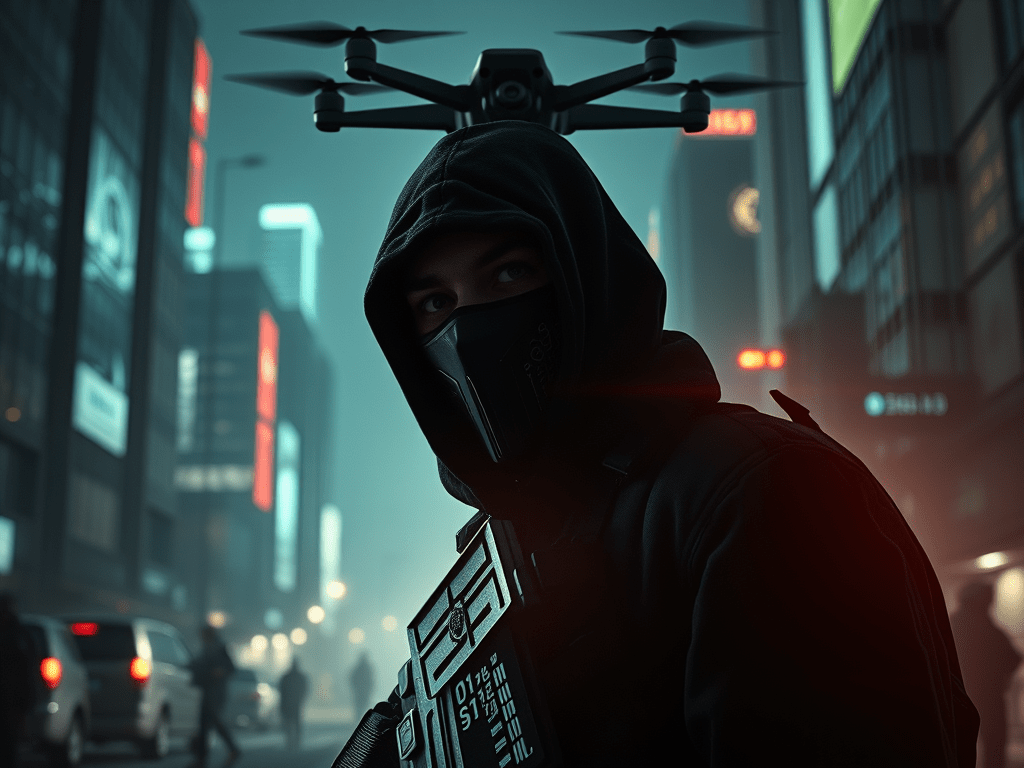
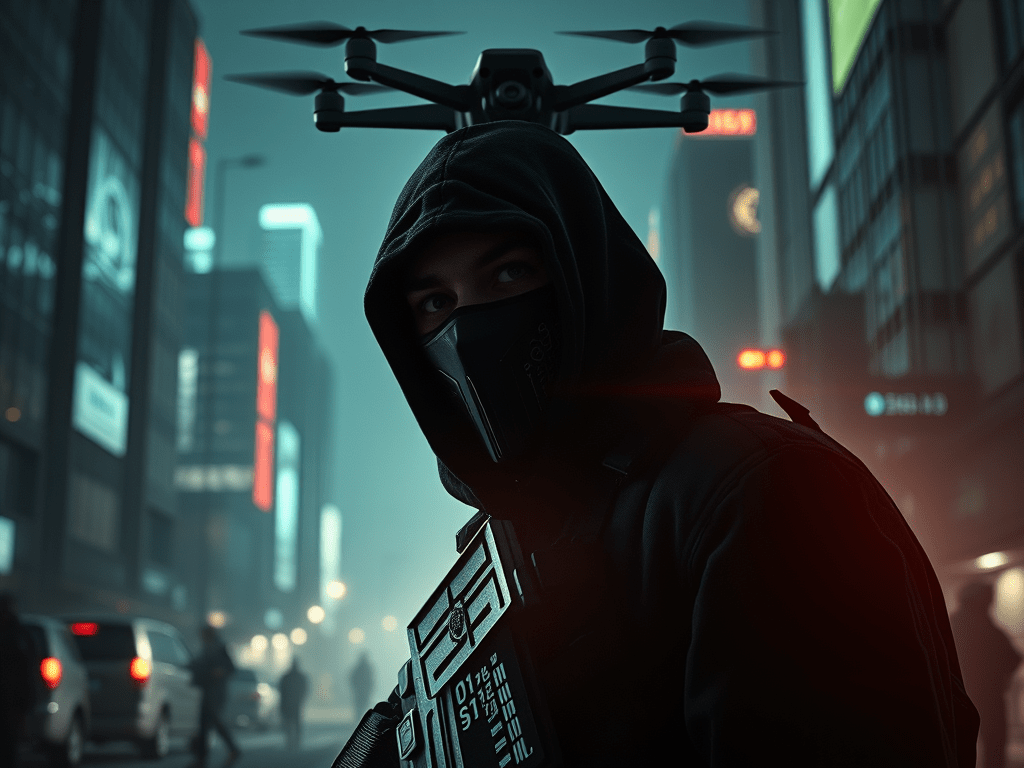
The accessibility of drone technology has introduced another dangerous dimension. Terror groups are now employing drones for surveillance, smuggling weapons, and even launching direct attacks. Drones are inexpensive, easy to operate, and difficult to defend against, making them a preferred tool for modern-day terrorists.
Instances in conflict zones have demonstrated how drones can be used to bypass traditional defences and wreak havoc in densely populated areas. Authorities are racing to develop counter-drone technologies, but it remains a game of catch-up.
The Spread to New Frontiers
Historically, terrorism was concentrated in particular hotspots, such as the Middle East and parts of Africa. However, in 2025, we see an alarming trend: terrorism is spreading to previously unaffected regions. Countries in Southeast Asia, Latin America, and even relatively stable parts of Europe are witnessing a surge in extremist activities.
This expansion is driven partly by globalisation and the ease of cross-border communication. As ideological divides deepen worldwide, radicalisation is finding fertile ground far from traditional battlefields.
Economic and Psychological Warfare
Modern terrorism does not solely aim to kill; it aims to destabilise economies and sow lasting fear. Targeting tourist hubs, business centres, and major events, terrorists seek to cripple economic confidence. The lingering psychological impact of such attacks often surpasses the immediate damage, fostering division and mistrust within communities.
Governments are increasingly recognising the importance of community resilience programmes, aiming to counteract the narratives of fear and hatred that terrorists so desperately wish to spread.
Final Thoughts
The face of terrorism in 2025 is unrecognisable compared to even a decade ago. It is more fragmented, technologically advanced, and globally dispersed than ever before. Combating this evolving threat requires an equally dynamic response – blending intelligence, technology, international cooperation, and grassroots community engagement.
Above all, it demands vigilance without surrendering to fear. Only by understanding how terrorism is changing can we hope to protect our societies and uphold the values that terrorists seek to destroy.
 The Momma Clan

Leave a comment