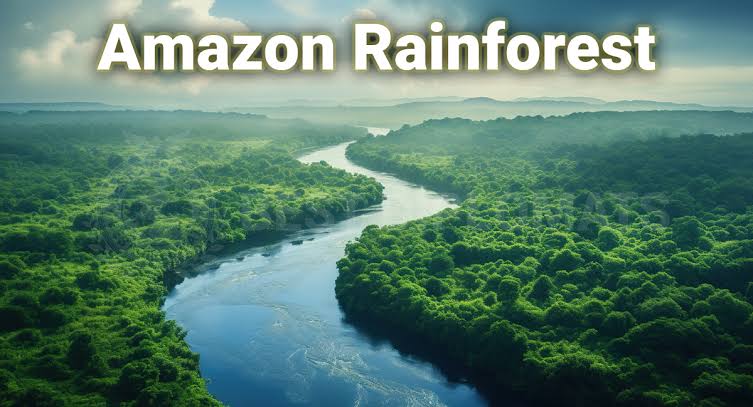
The Amazon Rainforest, often referred to as the “lungs of the Earth,” is a vast and vital ecosystem that sustains our planet in innumerable ways. Stretching across multiple countries in South America, the Amazon is home to unparalleled biodiversity and plays a crucial role in regulating global climate. However, this magnificent rainforest is under grave threat due to deforestation and human activities. In this blog, we explore what the Amazon Rainforest is, where it is located, the impact of deforestation, and the measures we can take to protect it.
What is the Amazon Rainforest?
The Amazon Rainforest is the largest tropical rainforest in the world, covering approximately 5.5 million square kilometers. It represents over half of the planet’s remaining rainforests and is home to about 10% of all known species on Earth. The Amazon is a reservoir of biodiversity, sheltering millions of plants, animals, and microorganisms, many of which are found nowhere else on the planet.
This ecosystem is not just a haven for wildlife but also a lifeline for humanity. It acts as a major carbon sink, absorbing vast amounts of carbon dioxide and producing around 20% of the world’s oxygen. Moreover, the Amazon River, flowing through the rainforest, provides fresh water to millions of people and sustains countless species.
Where is the Amazon Rainforest Located?
The Amazon Rainforest spans nine countries in South America, with the majority of it located in Brazil. Other countries include:
- Peru
- Colombia
- Venezuela
- Ecuador
- Bolivia
- Guyana
- Suriname
- French Guiana (a territory of France)
Brazil alone accounts for approximately 60% of the rainforest, making it the primary steward of this global treasure.

How is Deforestation Affecting the Amazon?
Deforestation in the Amazon is occurring at an alarming rate, driven by activities such as logging, agriculture, cattle ranching, mining, and infrastructure development. Here are some of the major consequences:
1. Loss of Biodiversity
The destruction of forests leads to habitat loss for countless species, pushing many of them to the brink of extinction. Iconic animals like jaguars, sloths, and Amazon river dolphins are among those at risk.
2. Climate Change
Deforestation contributes to global warming. When trees are cut down and burned, they release stored carbon dioxide, a greenhouse gas, into the atmosphere. This accelerates climate change and disrupts global weather patterns.
3. Disruption of Indigenous Communities
The Amazon is home to over 400 indigenous tribes, who rely on the forest for their livelihoods, culture, and spiritual practices. Deforestation threatens their way of life and displaces entire communities.
4. Impact on Global Water Cycle
The Amazon plays a crucial role in the global water cycle by generating vast amounts of moisture that affect weather systems worldwide. Deforestation disrupts this cycle, leading to droughts and altered rainfall patterns.

How Can We Protect the Amazon Rainforest?
Protecting the Amazon requires collective action at global, national, and individual levels. Here are some ways to ensure its survival:
1. Strengthening Laws and Policies
Governments must enforce stringent laws against illegal logging, mining, and land conversion. International agreements can also play a key role in holding countries accountable for protecting the rainforest.
2. Promoting Sustainable Practices
Encouraging sustainable agriculture and forestry practices can help minimize deforestation. This includes agroforestry, reforestation, and the use of sustainable materials.
3. Supporting Indigenous Communities
Indigenous people are the traditional stewards of the Amazon. Protecting their rights and involving them in conservation efforts is crucial for the forest’s long-term survival.
4. Raising Awareness
Global campaigns to educate people about the importance of the Amazon can mobilize public support for conservation. Social media, documentaries, and educational programs can amplify the message.
5. Responsible Consumer Choices
Consumers can contribute by avoiding products linked to deforestation, such as beef, soy, and palm oil. Supporting eco-friendly brands and certifications like FSC (Forest Stewardship Council) can make a difference.
6. Reforestation and Conservation Projects
Reforestation initiatives and the establishment of protected areas can help restore degraded lands. Supporting organizations that work to conserve the Amazon is another impactful way to contribute.
Closing Thoughts
The Amazon Rainforest is not just a regional asset but a global one. Its health directly impacts our planet’s climate, biodiversity, and the well-being of future generations. While the challenges of deforestation are daunting, there is hope if we act now. By embracing sustainable practices, supporting conservation efforts, and making informed choices, we can ensure that the Amazon continues to thrive and sustain life on Earth.
Let us remember: saving the Amazon is not just about preserving a forest; it is about safeguarding the future of our planet. Together, we can be the guardians of this irreplaceable wonder.
 The Momma Clan
Leave a comment