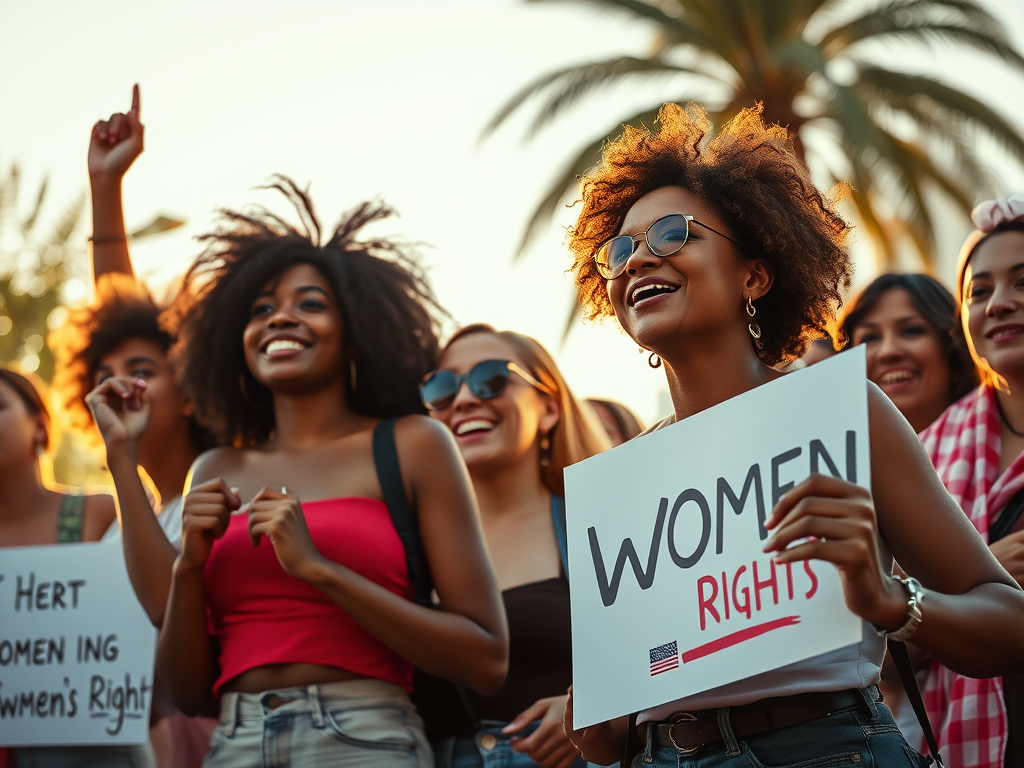

The status of women has long been a subject of intense discourse, evolving through centuries of oppression to a burgeoning recognition of their rights and contributions. While International Women’s Day on March 8 serves as a vital reminder to celebrate and acknowledge women’s achievements, it also underscores the ongoing struggles women face worldwide.
Historically, women have been marginalized, with their roles confined primarily to domestic spheres. However, the 20th and 21st centuries have witnessed a significant shift in this narrative. Women are breaking barriers in various fields, including politics, science, arts, and law. The increasing presence of female judges in the judiciary is a notable advancement; they are shaping the legal landscape and advocating for gender equality and justice. Their involvement not only diversifies the judiciary but also brings crucial perspectives to cases involving women’s rights and issues, reflecting the importance of female representation in all sectors.
Despite these strides, the journey toward gender equality remains fraught with challenges. Many women still face systemic discrimination, unequal pay, and violence, which continue to undermine their potential. Societal norms and cultural attitudes often perpetuate stereotypes that limit women’s opportunities and freedoms. In numerous regions, access to education and healthcare remains inequitable, hindering women’s ability to contribute fully to society and assert their rights.
International Women’s Day serves as a platform for raising awareness about these pressing issues. It reminds us that while we celebrate progress, we must confront the persistent inequalities that exist. Grassroots activism and global campaigns play a crucial role in the ongoing movement for women’s rights, reflecting a collective effort demanding sustained attention and action.
Legal frameworks have begun to evolve in support of women’s rights, with various countries implementing laws aimed at protecting women from violence and discrimination. However, enforcement remains inconsistent, and cultural practices often impede progress. Women continue to advocate for their rights, leveraging social media and international platforms to amplify their voices and reach broader audiences, ensuring that their concerns are heard and addressed.
Moreover, the representation of women in leadership positions is essential for effecting change. Women leaders are increasingly influencing policies and practices that benefit families and communities. Their experiences and insights can lead to more comprehensive and inclusive solutions to the issues facing society.
In conclusion, the status of women is a multifaceted issue that requires ongoing dialogue and commitment. March 8 is not merely a day of recognition; it is a call to action. As we celebrate women’s achievements, let us also pledge to confront the barriers they still face, ensuring that respect and equality for women are woven into the fabric of society every day of the year. By fostering an environment that empowers women and prioritizes their rights, we can collectively work toward a more equitable future for all.
Leave a Reply