
As we marked ‘World Food Day 2024’ on the 16th of Oct, the theme resonated louder than ever: “Every Grain Counts.” Let us pause and reflect on the staggering reality of food wastage and the crucial role each of us plays in ensuring that every grain of food is valued, preserved, and cherished. Food isn’t merely sustenance; it represents the hard work of millions of farmers, the blessings of nature, and the right of every living being to nourishment.
The Global Food Waste Crisis
It is heartbreaking to note that one-third of all food produced worldwide – a staggering 1.3 billion tons – is lost or wasted annually. While this statistic may feel distant or abstract, consider this: the amount of food wasted is enough to feed 2 billion people, more than twice the number of undernourished people globally.
Behind every grain of rice or slice of bread lies an entire chain of human effort – farmers who plough the fields, labourers who harvest, transporters who distribute, and grocers who sell. Yet, despite all these efforts, the way we treat food reflects an alarming disregard for their labour and the limited natural resources that sustain life on this planet.
Why Should We Care About Food Waste?

Food waste impacts us all on multiple levels:
1. Environmental Impact: When food is wasted, so are the resources used to produce it – water, energy, land, and labour. For instance, it takes 1,800 gallons of water to produce just one pound of beef. When this food is thrown away, the wasted water, fuel, and greenhouse gas emissions further intensify the climate crisis, contributing to environmental degradation.
2. Hunger and Malnutrition: At a time when millions are suffering from hunger and malnutrition, wasting food is not just irresponsible – it’s unethical. Globally, 828 million people go to bed hungry each night. Many of them live in regions where food is available but wasted before it reaches their plates. While wealthier nations throw away food, poorer nations suffer its absence.
3. Economic Loss: The economic cost of food wastage globally is around $1 trillion per year. This wastage hurts economies, affects households, and reduces the availability of affordable food for the most vulnerable populations.
Every Grain Matters: How Can We Stop Wasting Food?

Stopping food waste requires individual action, systemic change, and global cooperation. Here are some practical ways we can all make a difference:
1. Mindful Consumption: Buy only what you need. Make a grocery list and stick to it. By planning meals and understanding portion sizes, we can avoid buying food in excess that will eventually be discarded. Small, intentional changes like this make a huge difference.
2. Value Leftovers: Leftovers aren’t waste – they’re opportunities. Instead of throwing away excess food, get creative with it. Leftover rice can be turned into fried rice, while stale bread can become bread crumbs or croutons. Remember, it’s not about convenience; it’s about conscience.
3. Support Local Farmers: The shorter the food supply chain, the less likely food is to be wasted. By purchasing from local farmers, we not only support sustainable agriculture but also ensure that food doesn’t spoil in transport or storage.
4. Compost and Recycle: Composting food scraps like peels, coffee grounds, or eggshells can turn waste into fertile soil. This is not only great for the environment but also reduces the burden on landfills.
5. Share Excess Food: If you have surplus food, share it. Whether through community initiatives, food banks, or simply offering a neighbour a meal, sharing food ensures it ends up where it’s needed instead of in the trash.
The Cultural Value of Food
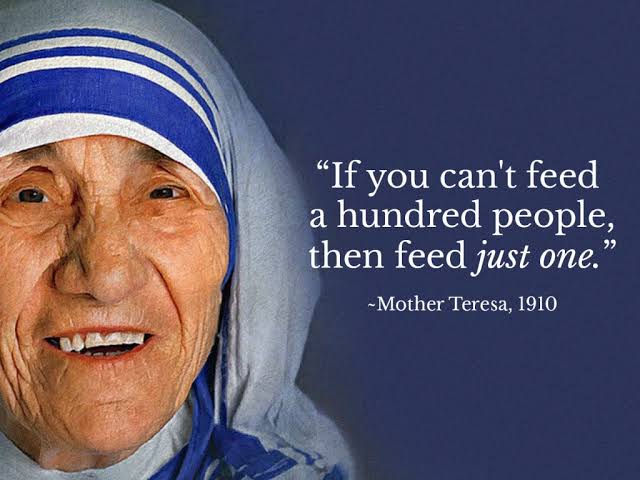
Throughout history, cultures around the world have attached sacred meanings to food. In many traditions, every grain of rice, every piece of bread, and every drop of water holds spiritual value. For instance, in Indian culture, food is revered as “Annadata” – the giver of life – and wasting food is considered deeply disrespectful. Likewise, many indigenous cultures believe in taking only what is needed from the land, honouring the earth’s capacity to regenerate itself.
When we waste food, we not only waste a precious resource but also lose touch with the values of gratitude, respect, and interconnectedness. ‘World Food Day’ is a reminder to reconnect with these values, to see food not just as a commodity but as a blessing that sustains us.
Governments, Industries and Us – A Collective Responsibility
The responsibility to prevent food wastage doesn’t lie solely on individuals. Governments and industries must also play a pivotal role:
– Policy Changes: Governments can enforce stricter regulations around food labelling, storage, and distribution. Clear labelling about expiration dates – whether it’s “best before” or “use by” – can reduce unnecessary disposal of safe-to-eat food.
– Corporate Accountability: The food industry, including supermarkets and restaurants, must also be accountable. Offering discounts on products nearing their expiration dates or donating surplus food to charities are just a couple of examples of how businesses can contribute to the solution.
– Public Awareness Campaigns: Initiatives that raise awareness about the global food waste crisis can make a real difference. Education on food preservation techniques, sustainable farming practices, and reducing food waste can foster a culture of conservation.
A World Without Hunger Starts With Us
As we commemorate ‘World Food Day 2024’, let us pledge to change our habits and attitudes toward food. Every grain truly matters, and by preventing waste, we contribute to a more equitable, sustainable, and compassionate world.
We owe it to our farmers, to our future generations, and to the millions who go to bed hungry tonight to ensure that no grain is wasted. The food we save today may well be the food that feeds the world tomorrow. So let’s begin now – because in every meal, in every grain, there is life.
This ‘World Food Day’(month), make the choice: waste less, share more, and honour every bite.
 The Momma Clan
Leave a comment