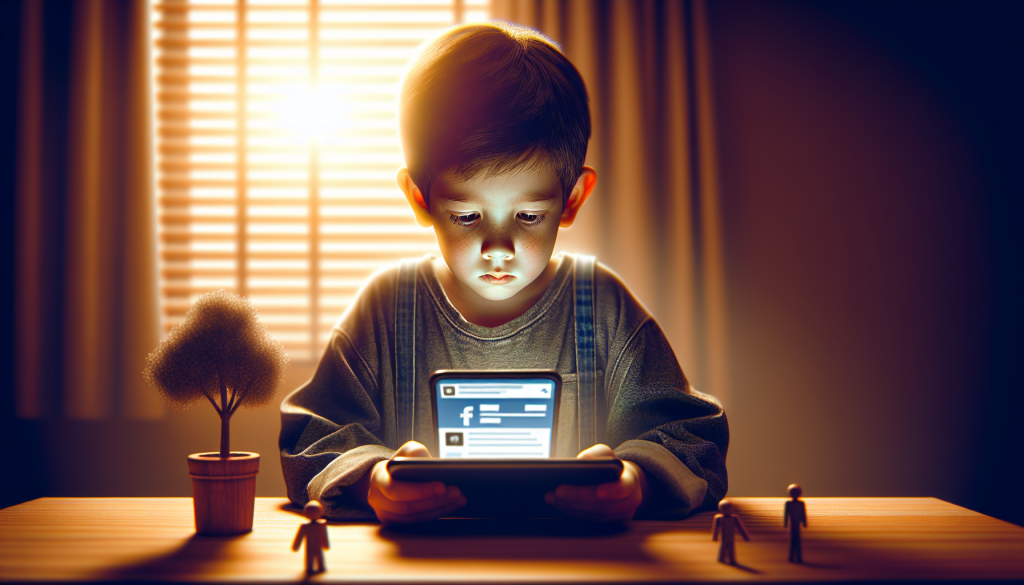
In today’s digital age, social media has become an integral part of our lives, influencing how we connect, communicate, and consume information. While its benefits are undeniable, the impact of social media on children, in particular, has sparked widespread concern and debate. From shaping their self-esteem to affecting their mental health and social interactions, the influence of platforms like Instagram, TikTok, and Snapchat on the younger generation is profound and multifaceted.
The Double-Edged Sword of Connectivity:
Social media platforms provide children with unprecedented access to information and opportunities for connection. They can communicate with friends, share experiences, and access educational resources with just a few taps on their devices. However, this constant connectivity can also lead to a range of issues, including cyberbullying, exposure to inappropriate content, and the pressure to conform to unrealistic standards of beauty and success perpetuated by curated online personas.
The Impact on Mental Health:
One of the most significant concerns surrounding social media is its impact on children’s mental health. Studies have shown a correlation between heavy social media use and feelings of loneliness, anxiety, and depression among young people. The constant comparison to others’ seemingly perfect lives and the fear of missing out (FOMO) can take a toll on their self-esteem and overall well-being. Moreover, the addictive nature of social media, characterized by endless scrolling and notifications, can disrupt sleep patterns and exacerbate stress levels.
The Influence on Identity Formation:
Social media plays a pivotal role in shaping children’s identities and sense of self. The pressure to cultivate a desirable online persona can lead to a disconnect between their virtual and real-world selves. Moreover, the prevalence of filters and photo editing tools can distort their perception of beauty and fuel insecurities about their physical appearance. As a result, many children may struggle to develop a healthy self-image and authentic relationships offline.
Addressing the Challenges:
While the impact of social media on children is undeniable, there are steps that parents, educators, and policymakers can take to mitigate its negative effects and promote responsible usage:
1. Educate and Empower: Teach children about the potential risks and consequences of social media use, including cyberbullying, online predators, and the importance of digital privacy. Encourage open communication and establish clear guidelines for online behaviour.
2. Promote Digital Literacy: Equip children with critical thinking skills to evaluate the credibility of online information and navigate social media safely. Encourage them to question what they see and to be mindful of the impact of their online interactions on themselves and others.
3. Set Boundaries: Establish screen time limits and encourage children to take regular breaks from social media to engage in offline activities. Model healthy digital habits and prioritise quality face-to-face interactions as a family.
4. Foster Resilience: Help children develop resilience and coping strategies to navigate the pressures of social media. Encourage them to focus on their strengths and interests, rather than comparing themselves to others’ highlight reels online.
5. Advocate for Change: Work with schools, community organizations, and policymakers to advocate for policies and initiatives that promote digital well-being and protect children from online harm. Support efforts to improve online safety measures and increase transparency around data privacy practices.
In conclusion, the impact of social media on children in today’s world is complex and multifaceted, with both positive and negative implications. While social media offers unparalleled opportunities for connection and self-expression, it also poses significant risks to children’s mental health, identity formation, and well-being. By promoting digital literacy, setting boundaries, and fostering resilience, we can empower children to navigate the social media landscape responsibly and harness its benefits while minimizing its potential harms.


 The Momma Clan
Leave a comment